

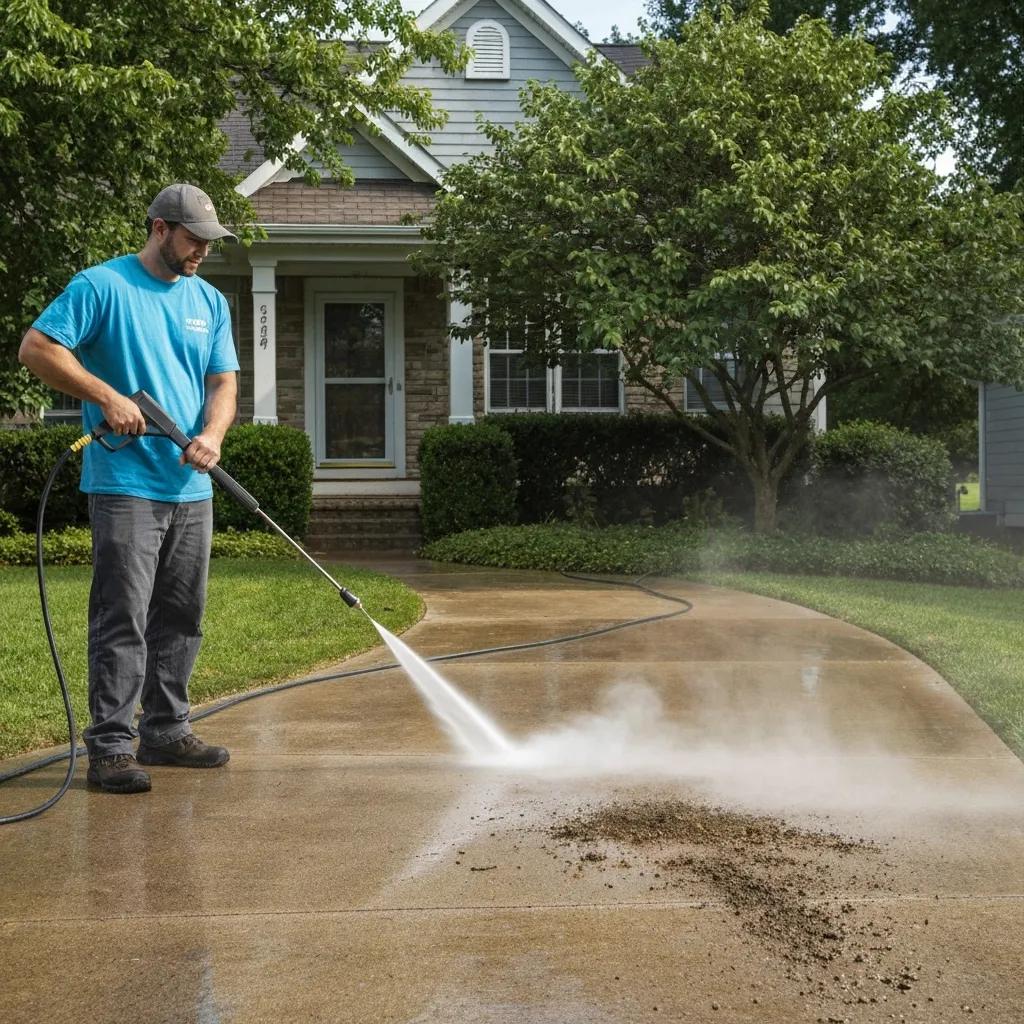
Discover how pressure washing boosts your home’s value, health, and curb appeal
Pressure washing is a focused exterior-cleaning method that uses controlled water pressure — and when needed, biodegradable cleaners — to lift away grime, mold, mildew, pollen, oil, and other buildup from siding, concrete, wood, and more. This article walks homeowners through how pressure washing improves curb appeal, prevents material damage, supports a healthier living space, and gets surfaces ready for repairs or refinishing. Many owners don’t realize how quickly biological growth and trapped soils speed up wood rot, concrete spalling, and paint failure; pressure washing removes those agents early so deterioration doesn’t take hold. You’ll learn which surfaces respond best to high-pressure versus soft-wash techniques, why professionals usually get safer, longer-lasting results than DIY attempts, and how routine exterior cleaning fits into smart home maintenance and resale readiness. We also include surface comparison guidance, practical maintenance checklists, and tips for homeowners in climates that face frequent algae or pollen buildup. At the end, see how Maid4You, Inc., a Hayward, CA provider, uses eco-friendly products and trained crews to deliver dependable pressure washing solutions for patios, driveways, decks, siding, and garage floors.
What are the main benefits of pressure washing for homeowners?
Pressure washing gives homeowners clear, measurable benefits: it restores appearance, removes damaging biological growth, prolongs material life, and cuts time spent on maintenance. Mechanically, pressurized water dislodges surface soils and microbial colonies while appropriate detergents break surface tension and dissolve organics — returning color and texture that buyers and guests notice. Regular cleaning interrupts decay pathways by removing algae and mold that trap moisture against wood and siding, which lowers long-term repair needs and maintenance costs. And because a professional cleaning can replace weeks or months of manual scrubbing and patching, homeowners reclaim time for other priorities.
These improvements to value, health, and longevity build on each other over time. The next section explains how better curb appeal and presentation can translate into real market value and stronger buyer impressions.
How does pressure washing improve curb appeal and property value?
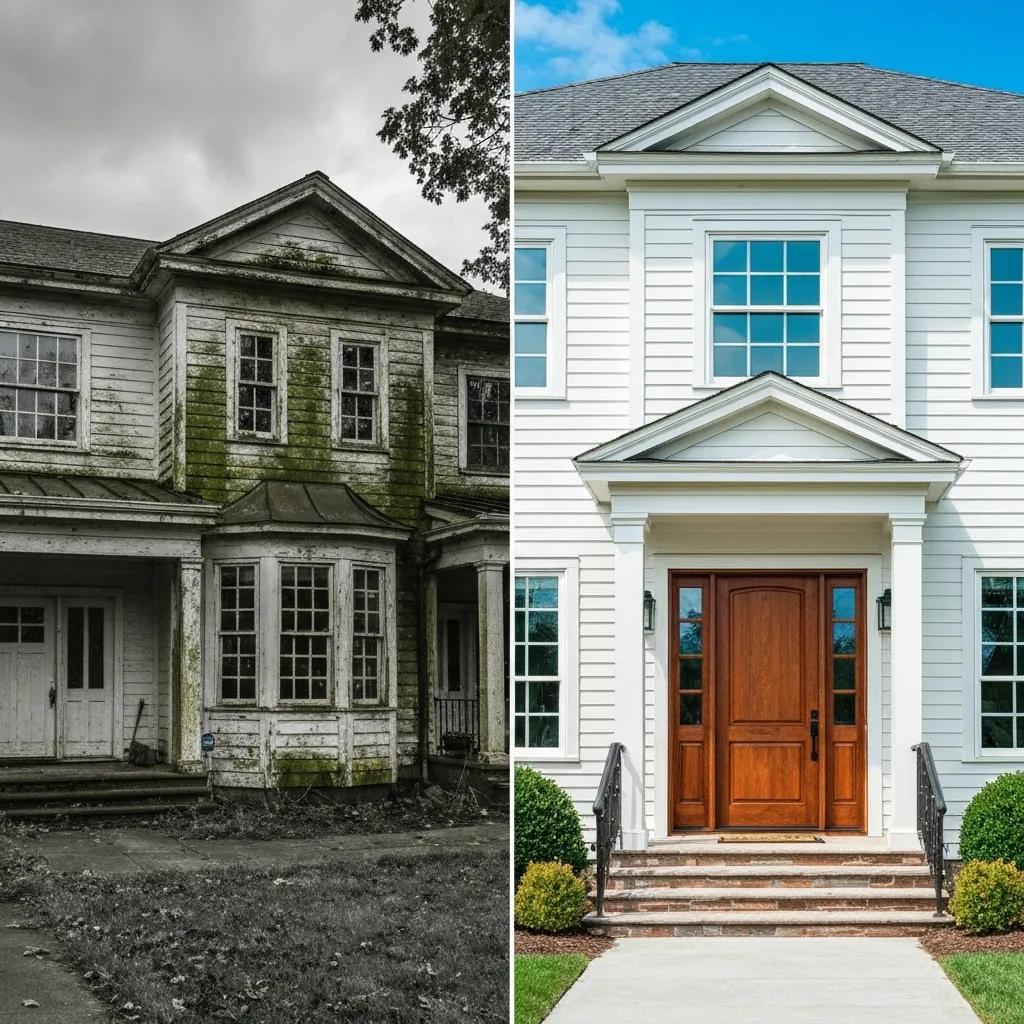
Pressure washing refreshes curb appeal by removing visible stains, restoring original siding and masonry color, and eliminating discoloration that can signal neglect. A clean exterior creates a stronger first impression, often shortening listing time and making buyers more confident — which can help when negotiating price. Simple fixes like removing dark streaks and algae from siding or brightening a driveway make a property feel newer and better cared for. Before-and-after results usually show dramatic visual improvement, and consistent exterior upkeep suggests interior systems may have been maintained as well, which gives buyers added confidence during inspections.
How does pressure washing prevent damage and extend exterior lifespans?
Pressure washing slows material degradation by removing biological growth, salts, pollutants, and oils that speed structural failures such as wood rot, concrete spalling, and paint delamination. Mold and algae hold moisture and can produce acids that weaken surfaces; removing them reduces microbial breakdown and limits moisture-driven freeze/thaw damage in masonry. Regular cleaning reduces how often siding, decks, and concrete need repainting, resealing, or replacement — saving time and money. Scheduled washing also exposes early signs of wear so homeowners can repair small problems before they become costly projects.
Those preventive benefits also lead to better safety and health outcomes around the home, covered next.
How does pressure washing support a healthier, safer home?
Pressure washing helps health and safety by cutting exterior allergen loads, removing mold and mildew that can irritate lungs, and reducing slip hazards on walkways and steps. Physically removing spores, pollen, and organic buildup reduces the outdoor sources that blow into open windows and doorways, which supports indoor air quality when paired with standard HVAC filtration. Clearing slick algae and oil from paths and driveways lowers fall risk, and cleaning gutters and foundations reduces damp, pest-friendly habitats. Together, these effects make the home more livable and lower short-term health and safety risks for your household.
How does pressure washing remove mold, mildew, and allergens effectively?
Effective removal starts with inspection, choosing the right cleaning agent, and applying the correct pressure or soft-wash approach. Pros assess the surface and use biodegradable detergents or oxygen-based cleaners that loosen biofilms so water can rinse away spores and residues without harming the substrate. For sensitive siding or older wood, soft-wash methods combine low pressure with surfactants to remove growth without etching or raising wood fibers. Reducing outdoor spore reservoirs helps cut back on indoor allergen exposure whenever doors and windows are opened.
Can pressure washing reduce slips, falls, and pest problems?
Yes. Pressure washing clears slippery algae, moss, and oil from sidewalks, patios, and driveways — directly reducing slip-and-fall hazards for residents and visitors. Stubborn oil and grease are treated with degreasers and hotter cleaning methods when needed, which helps restore traction and surface texture. Clearing organic buildup from eaves, gutters, and foundations also removes food and moisture sources that attract insects and rodents, supporting broader pest-control efforts. In humid climates, scheduling cleaning seasonally — typically annually or twice a year — helps keep walking surfaces safe and limits regrowth and pest habitats.
Which surfaces benefit most from professional pressure washing?
Professional pressure washing delivers tailored results across many exterior surfaces — concrete driveways and sidewalks, paver patios, wood decks, vinyl or fiber-cement siding, and garage floors — because technicians match equipment, nozzles, and detergents to each material’s sensitivity. Pros use surface-specific tools like rotary surface cleaners for flat concrete and soft-wash systems for delicate siding to remove contaminants efficiently without collateral damage. The right method improves looks, restores traction, and prepares surfaces for protective finishes such as sealers or stains. The comparison below helps homeowners choose the best approach for each surface.
Different materials collect specific soils and need matching techniques for the best outcome.
| Surface | Common Soiling | Recommended Method | Expected Result |
|---|---|---|---|
| Driveway & Sidewalk | Oil, tire marks, algae, pollen | Hot or cold water power wash with degreaser and rotary surface cleaner | Better traction, lower slip risk, long-lasting visual restoration |
| Patios & Pavers | Mold, moss, sand buildup | Surface cleaner plus eco-friendly detergent; occasional pressure leveling | Restored color, cleared joints, extended paver life |
| Wood Decks | Algae, mildew, tannin stains | Low-pressure soft wash with gentle agitation; allow to dry and then seal | Prevents rot, prepares for stain/seal, restores natural grain |
This table shows how matching method to surface improves results and reduces the chance of damage. Professional technique choices naturally lead into specific benefits for driveways, patios, and wooden surfaces.
What are the advantages of pressure washing driveways, patios, and sidewalks?
Driveways, patios, and sidewalks benefit because pressure washing removes oil, algae, gum, and grime that not only look bad but also speed surface wear and raise slip risk. Concrete does particularly well with rotary surface cleaners that deliver even coverage and minimize etching, while degreasers target hydrocarbon stains on driveways. Regular cleaning preserves exposed aggregate in concrete and prevents joint sand in pavers from binding with organics, which helps drainage and avoids settling. Frequency depends on exposure and climate, but high-traffic areas often benefit from annual cleanings and after heavy staining events.
How does pressure washing revitalize wood decks, siding, and garage floors?
Reviving wood decks and siding means respecting material sensitivity: wood and older paint layers require lower pressures and the right detergents to remove organics without raising fibers or causing splinters, while garage floors typically handle higher pressure and need degreasing. Soft washing — low pressure with surfactants — removes mold from vinyl or painted siding while protecting paint adhesion and substrate health. After cleaning, allow wood decks to dry fully before sanding or sealing; washing also reveals stains and damage so you can make targeted repairs. The sequence — clean, dry, repair, seal — keeps surfaces protected and looking their best.
Why choose professional pressure washing instead of DIY?
Professionals usually deliver better results because they have higher-capacity equipment, experienced technicians who set PSI and nozzle choices by material, and safety protocols for ladders and rooflines. DIY machines can work for light jobs, but pros reduce risks like window or siding damage, improper detergent use, and poor runoff management. Licensed crews also employ water-saving techniques and eco-friendly detergents to meet local guidelines and limit environmental impact. The comparison below highlights key differences in equipment, safety, time, and long-term cost so you can decide what’s right for your home.
| Approach | Equipment & Power | Safety & Time | Long-term Cost |
|---|---|---|---|
| DIY | Consumer-grade pressure washers with limited PSI control | Higher risk with ladders and fragile surfaces; longer project time | Lower upfront cost but possible rework or accidental damage |
| Professional | Commercial rigs, surface cleaners, and soft-wash systems | Trained crews, PPE, and safety protocols; faster completion | Higher initial cost but consistent results and fewer repairs over time |
| Hybrid (DIY + Pro for complex tasks) | Pros for delicate areas, DIY for simple patios | Moderate safety risk; mixed time savings | Balanced cost with professional oversight where it matters |
This comparison shows why professionals often save homeowners time and prevent costly mistakes; the next section covers specific time, safety, and quality-of-service benefits.
What time-saving and safety benefits do professionals provide?
Pros cut homeowner labor by finishing complex exterior cleaning quickly with efficient surface cleaners and coordinated crews — often in hours instead of weekend-long projects. Trained technicians follow safety procedures including PPE, fall protection, and correct ladder techniques to lower injury and property-damage risks. Crews also manage containment and runoff, use water-saving tactics, and dispose of waste properly to reduce environmental impact. Many companies back their work with satisfaction guarantees and re-clean policies so homeowners have protection if results aren’t what they expect.
How do eco-friendly products and techniques improve pressure washing?
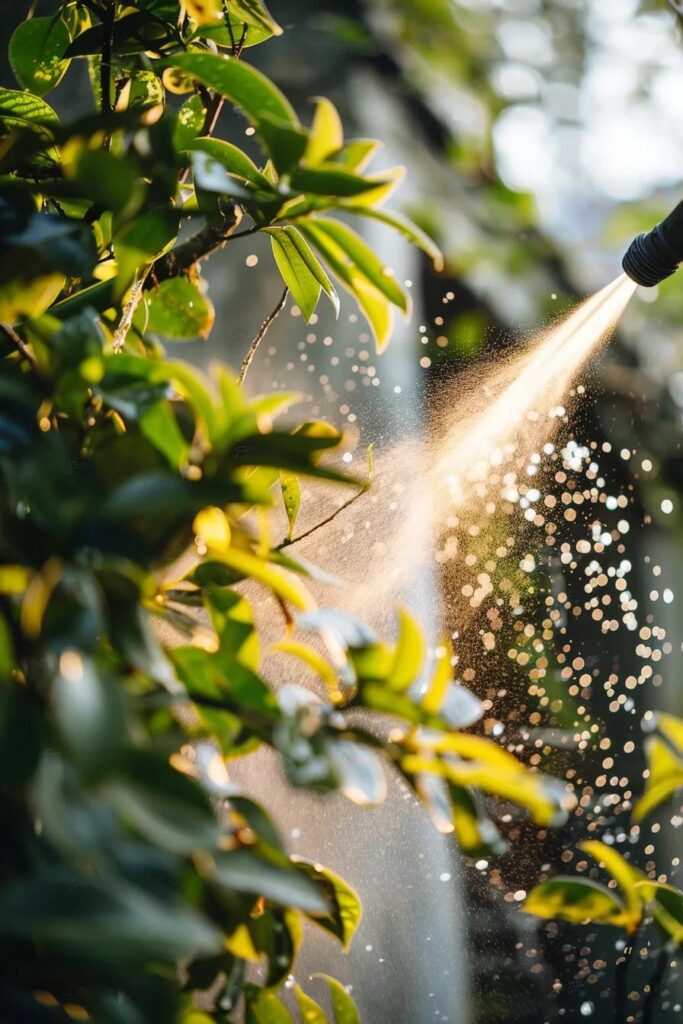
Eco-friendly pressure washing relies on biodegradable detergents, oxygen-based cleaners, and water-efficient equipment to remove soils while minimizing harm to plants, pets, and nearby waterways. Low-impact chemistries break down organics without leaving persistent toxins, and flow-control attachments or surface cleaners reduce total water use by increasing cleaning speed and coverage. These practices help meet municipal rules and homeowner expectations for sustainability while lowering the risk of harmful runoff. Choosing eco-conscious methods balances performance with environmental care — a benefit for both your property and the neighborhood.
How does pressure washing prepare your home for renovation and maintenance?
Pressure washing prepares surfaces for renovation by giving contractors a clean, contaminant-free base that improves adhesion for paint, stain, and sealants and lowers the chance of premature finish failure. Removing dirt, chalk, mildew, and loose paint exposes the true condition of materials so needed repairs are identified before finishing work starts, which cuts rework and schedule delays. Clean surfaces help primers and sealers bond better, extending the life of paint systems and stains. This prep work also shortens project timelines by removing tedious manual scraping and cleaning tasks from the job.
| Pre-Renovation Task | How Pressure Washing Helps | Impact on Timeline & Cost |
|---|---|---|
| Exterior Painting | Clears chalk, dirt, and mildew so primer can bond properly | Reduces paint rework and extends time between repaints |
| Deck Staining/Sealing | Removes contaminants and opens wood grain for better absorption | Improves finish longevity and lowers reseal frequency |
| Masonry Prep | Eliminates efflorescence and biological stains for consistent repairs | Reveals cracks early and reduces unexpected repair scope |
This table highlights how cleaning first can lower total renovation costs and improve durability. The next section explains why cleaning is a necessary step before painting or sealing.
Why is pressure washing essential before painting, staining, or sealing?
Pressure washing is essential because dirt and biological residue block adhesion and lead to premature peeling, flaking, or uneven coverage. A clean substrate lets primers and stains penetrate and form a durable bond rather than sitting on top of contaminants that allow moisture in. Timing matters too: surfaces typically need to dry fully after cleaning — often 24–72 hours depending on weather — before you apply paint or stain to ensure proper curing. Investing in professional cleaning before renovation reduces the chance of early finish failure and lowers lifecycle costs for exterior coatings.
How does regular pressure washing prevent costly repairs?
Regular pressure washing is preventive maintenance: it removes destructive elements before they cause structural damage, such as rot in wooden trim, concrete spalling, or accelerated paint failure. Scheduling cleanings — annually in humid climates and every 1–2 years in drier areas — keeps biological growth and pollutants from reaching damaging levels and provides routine inspections that catch small issues early. By cutting the frequency of major repairs and extending finish life, periodic washing reduces lifetime maintenance costs. Many homeowners find modest, regular cleaning prevents far larger replacement bills down the road.
What makes Maid4You, Inc. the trusted choice for pressure washing in Hayward, CA?
Maid4You, Inc. is a Hayward, CA cleaning company offering residential and commercial exterior services, including pressure washing for patios, driveways, sidewalks, decks, and garages. We take a safety-first approach: our technicians tailor pressure or soft-wash methods to each surface and follow containment and runoff best practices to protect landscaping. Maid4You combines local Hayward knowledge with eco-friendly products and a customer-focused process designed to save homeowners time while delivering reliable visual and functional improvements. Our commercial-grade equipment plus regional experience helps us address challenges like coastal humidity and seasonal pollen loads.
What satisfaction guarantees and eco-friendly practices does Maid4You offer?
Maid4You stands behind its work with a 100% satisfaction guarantee and a re-clean policy so you get the results you expect. We use eco-friendly detergents and biodegradable agents suitable for both soft-wash and pressure applications to lower risk to plants and local waterways. These choices reflect local compliance and a commitment to effective, responsible cleaning. Homeowners get predictable results, a smaller environmental footprint, and a team that will promptly make things right if any issue arises.
How does Maid4You’s team ensure safe, effective pressure washing?
Our teams are trained to assess substrates, select safe pressure settings, and use surface-specific attachments — like rotary cleaners for concrete and low-pressure soft-wash systems for siding — to avoid damage while maximizing cleanliness. Technicians follow safety protocols for ladders and equipment handling and manage runoff containment. We communicate scheduling and scope clearly so homeowners know what to expect. Regular equipment maintenance and technique calibration are part of our quality system to deliver consistent results that preserve property value and boost curb appeal.
- Key takeaways for homeowners considering pressure washingKnow your surface before choosing pressure or soft-wash methods to prevent damage.Schedule routine cleanings to prevent expensive repairs and preserve finishes.Use professionals for delicate siding, rooflines, or any job with safety risks.
- Practical maintenance checklist after pressure washingLet surfaces dry completely before painting or sealing — drying usually takes 24–72 hours.Inspect for repairs like loose boards or cracked masonry that cleaning may reveal.Apply protective finishes such as sealers or stains where appropriate to extend life.
- When to hire professionals versus DIYHire pros for large properties, rooflines, fragile materials, or stubborn stains.DIY can work for small, low-risk jobs with proper consumer equipment.Consider hybrid approaches — pros for sensitive areas and DIY for simple patios.
This article offered practical, experience-based guidance about pressure washing benefits, surface-specific methods, safety and environmental considerations, and renovation readiness — plus what to look for in a reliable local provider. Adding routine pressure washing to your maintenance plan delivers clear gains in curb appeal, health, and long-term value.
Frequently Asked Questions
1. How often should I schedule pressure washing for my home?
How often depends on your climate and the surfaces involved. In humid areas where mold and algae grow quickly, annual washing is common. Drier regions may need cleaning every 1–2 years. High-traffic spots like driveways and walkways may require more frequent attention, especially after big stains. Regular maintenance improves curb appeal and prevents costly repairs by removing harmful buildup early.
2. Can pressure washing damage my home’s exterior surfaces?
Yes — if done improperly. Excessive pressure can strip paint, etch concrete, or damage wood. That’s why hiring professionals who know the correct pressure levels and techniques for each material is important. Skilled crews use soft washing for delicate surfaces and the right nozzles and detergents to clean effectively without causing harm.
3. What should I do to prepare my home for pressure washing?
Before we arrive, remove outdoor furniture, potted plants, and decorations from the work area. Close windows and doors and cover or protect electrical outlets and fixtures. Point out any loose paint or fragile spots to your service provider so they can plan accordingly. Clear communication with your team helps ensure a safe, thorough clean.
4. Are there eco-friendly options for pressure washing?
Yes. Many services offer biodegradable detergents and water-conserving techniques that clean effectively while protecting plants, pets, and local waterways. Eco-friendly cleaning reduces chemical runoff and aligns with sustainable practices — ask your provider about their green options.
5. How does pressure washing affect indoor air quality?
Pressure washing can improve indoor air by reducing outdoor sources of allergens like pollen, mold, and mildew. Cleaning siding, decks, and walkways lowers the amount of spores and pollen that can enter your home through open windows and doors, which helps people with allergies or respiratory concerns breathe easier.
6. What are the signs that my home needs pressure washing?
Look for visible stains, mold, or mildew on siding, driveways, patios, or fences. Dark streaks or general discoloration often mean algae or dirt buildup. Slippery surfaces on walkways or patios are another sign you should schedule a cleaning. Regular inspections help you catch these issues early.
7. Can pressure washing help with pest control?
Yes. Pressure washing removes organic debris and moisture that attract insects and rodents. Cleaning gutters, foundations, and patios eliminates potential habitats, and removing mold and mildew discourages pests that thrive in damp environments. Routine cleaning supports a healthier, less pest-friendly property.
Conclusion
Pressure washing gives homeowners real value: improved curb appeal, better health and safety, and longer-lasting exterior materials. By removing the contaminants that cause decay and hazards, it protects your investment and creates a safer, more attractive home. Regular professional cleaning can save time and money over the long run. Learn how Maid4You, Inc. can help you keep your home looking and performing its best by exploring our services today.