
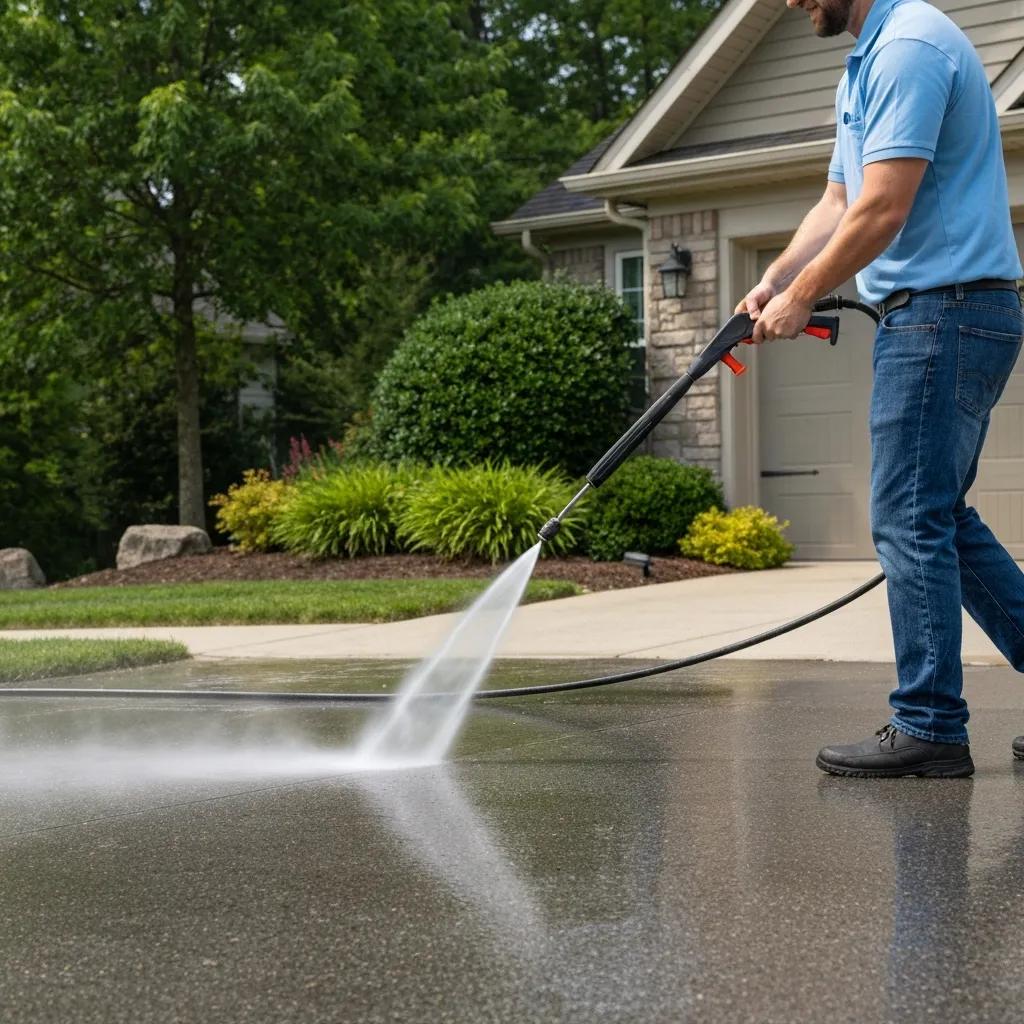
How to Choose the Best Pressure Washing Company in Hayward
Picking a reliable pressure washing company is about more than the lowest quote. The right contractor brings verified credentials, trained technicians, surface-specific techniques, and environmentally responsible practices that protect your home, landscaping, and local waterways. This guide walks Hayward homeowners through the key checks — licensing and insurance verification, technician experience, honest review signals, equipment and method choices (pressure vs. power vs. soft wash), eco-friendly controls, and clear pricing and guarantees. Follow the on-site inspection and vetting steps here and you’ll avoid common problems like surface damage, chemical runoff, or sloppy cleanup and be ready to book a confident consultation or free quote.
What Licensing and Insurance Should a Reliable Hayward Pressure Washing Company Have?
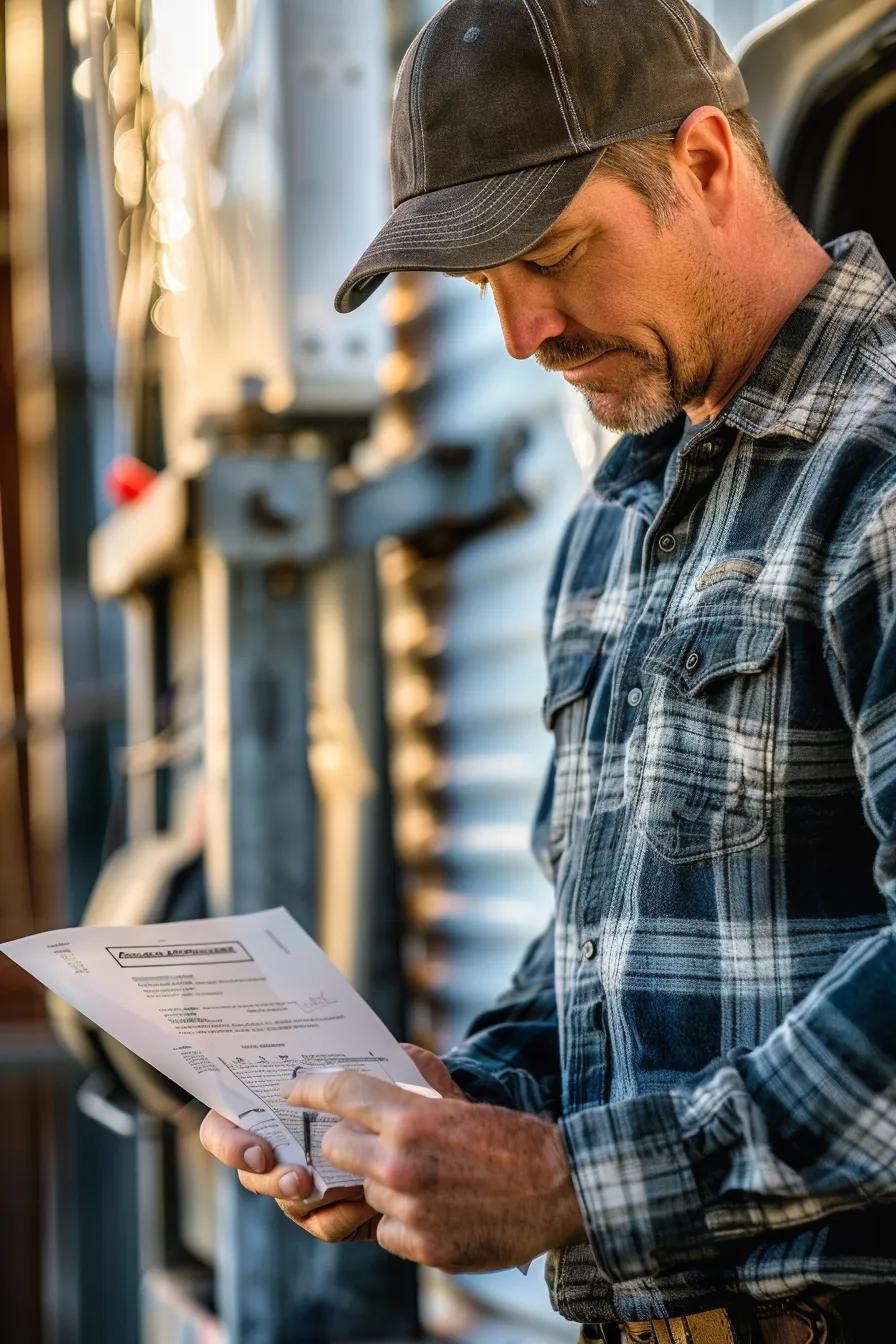
Licensed, bonded, and insured companies give homeowners practical protections: licensing shows compliance with local rules, insurance covers liability and accidental damage, and bonding can help if a contractor walks off a job. Asking to see documents and confirming them with the insurer and licensing board creates a paper trail you can use if anything goes wrong. Verifying credentials also lets you spot whether a provider follows safety and environmental protocols common in Hayward. Start by collecting certificate details, note policy limits and effective dates, and confirm standing with the listed insurer — these steps set a clear baseline before you evaluate experience and technique.
Why Is Licensing, Bonding, and Insurance Crucial for Homeowner Protection?
Each credential reduces different risks: a license signals accountability, insurance covers third-party injury and property damage, and a bond can reimburse you if contractual work isn’t finished. Without them, homeowners risk paying out-of-pocket for repairs or liability claims and face a harder path to recover funds if a contractor defaults. Request and document these credentials before work begins so everyone agrees on expectations and claim procedures. Understanding these protections is the first step toward choosing a professional, responsible contractor.
How to Verify a Pressure Washing Company's Credentials in Hayward?
Ask for a current certificate of insurance (COI) that lists liability limits, policy dates, and the insurer’s contact information, then call the insurer to confirm coverage. Request any business or contractor license numbers and check them on California or Hayward licensing sites for standing or disciplinary history. Record the rep’s name, license number, policy number, and insurer phone — these details matter if you need to file a claim. Finally, compare the paperwork to onsite signs of professionalism like a written estimate, a clear scope of work, and safety procedures discussed at the visit. Verifying credentials this way protects you and creates a baseline for comparing quotes and techniques.
How Does Experience and Professional Training Impact Pressure Washing Quality?
Experience and formal training affect how accurately crews assess surfaces, pick the right tools, and avoid damage. Skilled technicians perform pre-inspections, test a small area, and adjust nozzle type and PSI for each material — actions that reduce risks like gouged wood, etched stucco, or water forced behind siding. You’ll also see experience in how crews protect fixtures and landscaping, mask sensitive areas, and control runoff. When vetting providers, look for documented training, detailed on-site inspections, and examples of surface-specific work — those signs point to consistent, safer results.
What Surface Types Require Specialized Pressure Washing Techniques?
Different materials need different approaches. Concrete and masonry handle higher pressure and degreasers for oil, while wood decks require lower PSI, fan nozzles, and wood-safe cleaners to prevent splintering and fiber lift. Vinyl siding and stucco often do best with soft wash — low pressure plus detergents that remove biological growth without forcing water into seams. Pavers and patios may need moderate pressure plus agitation to pull out embedded grime. Roofs usually get soft-washed to remove algae and moss without dislodging shingles. Confirm that technicians recommend surface-specific methods during your estimate to protect long-term integrity.
How Experienced Technicians Prevent Property Damage During Cleaning?
Experienced crews start with a careful pre-service inspection to note fragile areas, landscaping, and hidden fixtures, then run a small test patch to dial in settings. They use the right nozzle angle, PSI/flow, and detergent mix; protect plants and fixtures with barriers or wetting agents; and practice runoff containment to safeguard storm drains and nearby water features. Photographing the site before and after service documents condition and reduces disputes. These preventive steps lower liability and homeowner stress and lead into expectations for clear guarantees and pricing.
| Surface | Technician Skill / Technique | Common Risk Factors |
|---|---|---|
| Concrete & Masonry | High-pressure cleaning with degreasers; correct nozzle choice for even results | Etching, uneven cleaning, loss of surface texture |
| Wood Decks | Low-pressure soft wash or controlled pressure, wood-safe detergents, test patches | Fiber lifting, splintering, staining |
| Siding & Stucco | Soft-wash detergents, low-pressure rinsing, seam inspection | Water intrusion, paint stripping, stucco erosion |
What Do Customer Reviews and Reputation Reveal About Pressure Washing Reliability?
Customer reviews tell you how a company actually performs — punctuality, communication, cleanup, and whether problems get fixed. Look for recent, photo-backed reviews that repeatedly praise workmanship and responsiveness; those patterns indicate reliability. Red flags include unresolved complaints or a habit of ignoring reviewers. Cross-check reviews across platforms, favor verified entries with dates and photos, and note how the company responds to criticism. Review insights help you prioritize providers who match your expectations for results and service.
Where to Find Authentic Pressure Washing Company Reviews in Hayward?
Check a mix of local and national platforms for reviews that include photos, dates, and business replies — those signals increase credibility. Local neighborhood groups and forums often surface recent projects and referrals, while listing profiles show overall ratings and response patterns. When possible, ask the provider for references from recent Hayward jobs so you can confirm satisfaction directly; reputable companies will share them. Pulling reviews from several sources gives a fuller picture and helps when you compare techniques and guarantees.
- Recency and Frequency: Favor companies with multiple recent reviews showing steady work.
- Photo Evidence: Prioritize before-and-after photos that prove real results.
- Response Quality: Look for businesses that reply constructively to questions and complaints.
Cross-checking recency, photo proof, and response quality gives a strong signal of reliability. Asking for references adds a final, direct confirmation of workmanship and communication standards before you evaluate equipment and methods.
How to Evaluate Reviews for Consistency and Customer Satisfaction?
Scan reviews for repeat mentions of the same strengths — punctual crews, careful cleanup, lasting results — which suggest reliable operations. Be wary of generic five-star comments without detail and give more weight to balanced feedback that explains issues and how they were resolved. Look for photo documentation and notes on follow-up work or warranties. These evaluation habits help you tell consistent performers from providers with uneven quality, and they set expectations for guarantees and pricing transparency.
Which Equipment and Cleaning Techniques Ensure Effective and Safe Pressure Washing?
Effectiveness and safety come from pairing the right technique with commercial-grade equipment: pressure washing delivers high PSI for hard surfaces, power washing adds heat for heavy grease, and soft washing uses low pressure with detergents for delicate materials. Good equipment (stable pressure, proper flow, and suitable attachments) produces even results and speeds work, while proper PPE and containment systems protect people and plants. During estimates, ask about nozzle choices, PSI settings, and detergent types so you know the plan matches your surfaces and risk tolerance.
What Are the Differences Between Pressure Washing, Power Washing, and Soft Washing?
Pressure washing uses high-pressure water for hard surfaces like concrete. Power washing adds heat to tackle grease and oil. Soft washing uses low pressure plus detergents or biocides to remove mildew, algae, and organic stains from siding, roofs, and painted surfaces without damage. Each method has pros and cons: aggressive pressure can harm delicate materials, heated water requires careful control, and soft washing depends on correct chemical mixes and rinsing. Choosing the right approach helps avoid repairs and extends surface life.
The table below clarifies typical pressure/heat levels, best uses, and main benefits/risks for each technique.
| Technique | Pressure / Heat | Best Surfaces | Benefits / Risks |
|---|---|---|---|
| Pressure Washing | High PSI, ambient temperature | Concrete, driveways, masonry | Fast and effective; can etch delicate surfaces if misused |
| Power Washing | High PSI with heated water | Grease and oil on driveways, heavy commercial grime | Great for degreasing; needs experienced operators to avoid damage |
| Soft Washing | Low PSI + detergents | Siding, roofs, painted surfaces | Safe for fragile materials; depends on correct chemical selection |
This breakdown helps homeowners match method to material and risk tolerance — which is why trained technicians and proper equipment matter so much.
Why Is Commercial-Grade Equipment Important for Hayward Properties?
Commercial-grade machines hold steady pressure and flow, offer reliable temperature control for power washing, and support attachments that protect surfaces and speed the job. Better pumps and hoses keep PSI consistent across large areas, producing uniform cleaning without repeated passes that can damage surfaces. Specialty tools — surface-friendly nozzles, rotary cleaners, and containment systems — boost efficiency and protect landscaping and fixtures. Ask about equipment and safety measures during your estimate to make sure the crew can deliver the results you expect with minimal impact.
- Example equipment-focused semantic triple: Commercial-grade pump → provides → consistent PSI output.
How Do Eco-Friendly Practices Influence Your Choice of Pressure Washing Service?
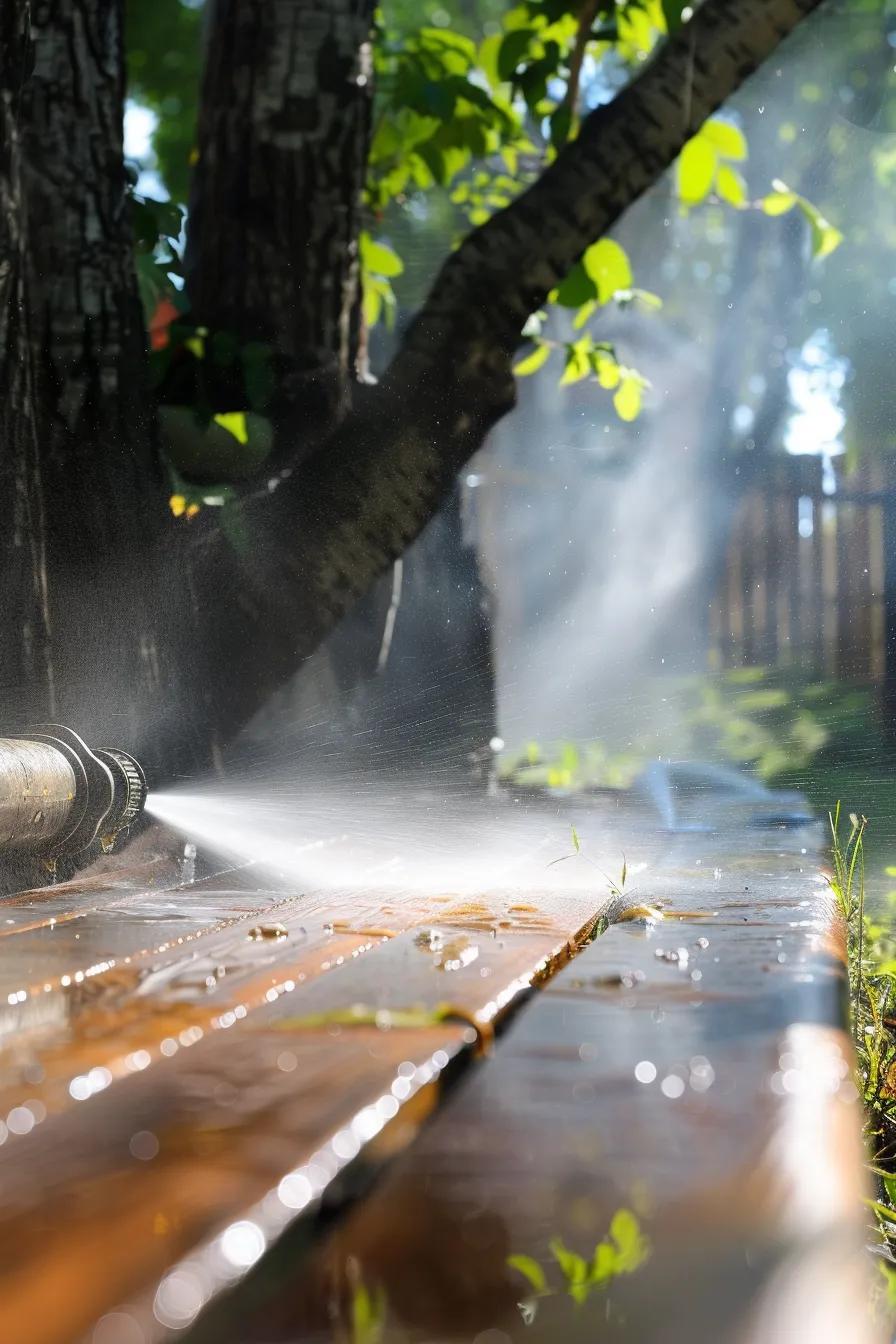
Eco-friendly practices matter. Biodegradable detergents and runoff containment reduce risk to plants, pets, and local waterways and often reflect a company’s overall attention to safety. Good providers use low-toxicity surfactants, apply chemicals only where needed, and deploy water recovery or diversion methods to limit runoff. Ask for product data sheets and a runoff plan during the estimate to confirm their approach. Choosing contractors who document these practices helps you meet local expectations in Hayward and protects your property and neighborhood ecosystems.
What Eco-Friendly Cleaning Solutions Are Used by Trusted Hayward Companies?
Reputable providers typically use biodegradable surfactants and plant-friendly degreasers that break down quickly and lower aquatic toxicity. They measure detergent concentrations to avoid excess use and employ runoff controls like berms, catchment mats, or diversion hoses. Request SDS/product data sheets and a written treatment plan during your estimate so you know which products will be used and how runoff will be handled. These steps reduce environmental risk and are a good sign of professional discipline.
- Biodegradable detergents: Low-toxicity formulas designed to break down quickly.
- Runoff containment: Berms, mats, or diversion hoses to keep chemicals from storm drains.
- Targeted application: Treat only affected areas to minimize chemical volume.
Confirming these eco practices during the estimate protects family, pets, and waterways and gives you another practical comparison point between contractors.
How Do Eco-Friendly Methods Protect Your Family and Local Environment?
Using biodegradable solutions and containment lowers human and animal exposure to persistent chemicals and helps prevent residues on play areas, patios, and landscaping. These practices reduce plant damage risk and support stormwater protection rules. Always ask about ingredients and runoff mitigation during the estimate — providers who can explain and document their methods usually have stronger communication and warranty practices as well.
| Practice | Attribute | Value |
|---|---|---|
| Biodegradable Surfactants | Toxicity Profile | Rapid degradation, lower aquatic toxicity |
| Runoff Containment | Methodology | Berms/mats/diversion hoses to minimize spread |
| Targeted Application | Chemical Use | Reduced volume and focused treatment areas |
What Guarantees, Customer Service, and Pricing Transparency Should You Expect?
Expect clear, written guarantees (satisfaction or workmanship), timely communication, and itemized estimates that explain price drivers — square footage, surface type, soil severity, and any runoff handling. A sensible satisfaction guarantee explains what “re-clean” means and lists reasonable exclusions, while workmanship warranties cover defects tied to the service. Transparent quotes should break out materials, labor, travel, and disposal/runoff handling so you can compare providers fairly. When guarantees and pricing are clear, you reduce surprises and make a confident booking decision.
How Do Satisfaction Guarantees Provide Peace of Mind for Homeowners?
A proper satisfaction guarantee promises to return and rework problem areas at no extra charge within a stated window and should list exclusions like pre-existing damage. When requesting remediation, document concerns with photos and timestamps and get the guarantee terms in writing so expectations are clear. Ask who handles claims, typical response times, and if a follow-up inspection is included. Clear guarantees reduce conflict and align the contractor’s incentives with your long-term satisfaction.
| Guarantee Type | What’s Covered | Typical Terms / Conditions |
|---|---|---|
| Satisfaction Guarantee | Re-cleaning of unsatisfactory areas | Rework within a defined window; excludes pre-existing conditions |
| Workmanship Warranty | Defects due to service quality | Time-bound coverage (often 30–90 days); limited to repair or rework |
| Limited Service Warranty | Specific component failures | Covers particular treatments (e.g., anti-mildew) under stated conditions |
What Pricing Factors Affect Pressure Washing Costs in Hayward?
Costs depend on total square footage, surface complexity and access, stain type and severity (oil, mold, rust), required detergents or pretreatments, travel time, and runoff/disposal measures. Specialty jobs like heavy oil removal, extensive mold remediation, or roof soft washing require more labor, equipment, or eco-safe chemicals and often cost more. Ask for itemized estimates and sample scenarios (driveway vs. deck vs. siding) so you can compare pricing logic across providers. Transparent pricing reduces the risk of surprise add-ons once work starts.
- Does the estimate itemize materials and labor?
- Are travel and disposal/runoff handling included or extra?
- Is a written guarantee included or priced separately?
Clear pricing tied to a detailed scope and guarantee terms protects homeowners from unexpected charges and forms the last step before scheduling a service or requesting a quote from a local provider.
Maid4You, Inc., a Hayward-based cleaning company, offers professional pressure washing and garage cleaning with a 100% satisfaction promise, trained crews, eco-friendly products, safety-first practices, and easy cash-free payment options. If you prefer a local team focused on guarantees and green methods, ask Maid4You for licensing and insurance documentation during your estimate and get guarantee terms in writing before you book. Those steps protect your home and ensure the provider follows the standards outlined above.
- Ready to move from research to action? Request a written estimate, confirm guarantees, and schedule a consultation or free quote to lock in scope and pricing.
Frequently Asked Questions
What Should I Look for in a Pressure Washing Company’s Equipment?
Ask about commercial-grade machines that deliver stable pressure and flow and about specialty attachments for different surfaces. Good equipment gives more consistent results and reduces the chance of damage. Also ask what safety gear and containment systems the crew uses to protect your landscaping and nearby drains. A reputable company will explain how their gear helps achieve the best outcome for your property.
How Can I Ensure the Pressure Washing Company Uses Eco-Friendly Practices?
Ask which detergents they use and request product data sheets. Look for biodegradable surfactants and low-toxicity cleaners and ask how they control runoff (berms, mats, diversion hoses). A provider that documents products and containment plans is more likely to follow environmentally safe practices on the job.
What Are the Risks of Choosing an Unlicensed Pressure Washing Company?
Hiring an unlicensed contractor can leave you exposed to property damage and liability for injuries. Unlicensed operators may not follow local rules or safety standards and often lack proper training. If something goes wrong, your options for recourse are limited. Always verify licensing and insurance before hiring.
How Important Are Customer Reviews When Selecting a Pressure Washing Service?
Very important. Reviews reveal real-world performance on punctuality, communication, cleanup, and follow-up. Prioritize recent, detailed reviews with photos and note how the company responds to concerns. Cross-referencing multiple platforms gives a fuller, more reliable picture of reputation.
What Should I Expect from a Pressure Washing Estimate?
An estimate should be itemized and clear: scope of work, materials, labor, timeline, and any extra fees. It should state the techniques to be used and include guarantee or warranty details. Transparent estimates make it easier to compare providers and avoid misunderstandings.
How Can I Prepare My Property for Pressure Washing?
Remove outdoor furniture, decorations, and vehicles from the work area. Trim back branches or shrubs that block access and cover delicate plants or electrical fixtures if needed. Tell the crew about any special concerns or areas that need care. Proper prep helps the crew work efficiently and protects your property.
Conclusion
Choosing the right pressure washing company in Hayward protects your home, landscaping, and neighborhood waterways. Verify credentials, check technician training, prioritize eco-friendly methods, and insist on clear guarantees and itemized pricing. When you follow the vetting steps in this guide, you’ll be ready to book a confident consultation or request a free quote. If you’re ready, reach out and schedule your estimate today.