

Driveway Stains in Hayward: What Pressure Washing Can Remove — and When to Call a Pro
Hayward driveways deal with a predictable mix of coastal humidity, shade from mature trees, and steady vehicle use — a combination that leads to stubborn stains and surface wear. This guide walks through which driveway stains pressure washing handles well, why pros usually outperform DIY attempts, and how the right equipment, chemicals, and technique restore concrete, asphalt, and pavers. You’ll get stain-specific tips for oil, rust, tire marks, mold and algae, tree sap, and general grime; a plain‑spoken explanation of how pressure washing works; transparent cost factors; and recommended maintenance intervals to keep stains from coming back. Quick-reference tables and step-by-step lists make it easy for homeowners to decide whether to tackle a job themselves or call a local Hayward pro.
What Are the Most Common Driveway Stains Pressure Washing Can Remove in Hayward?
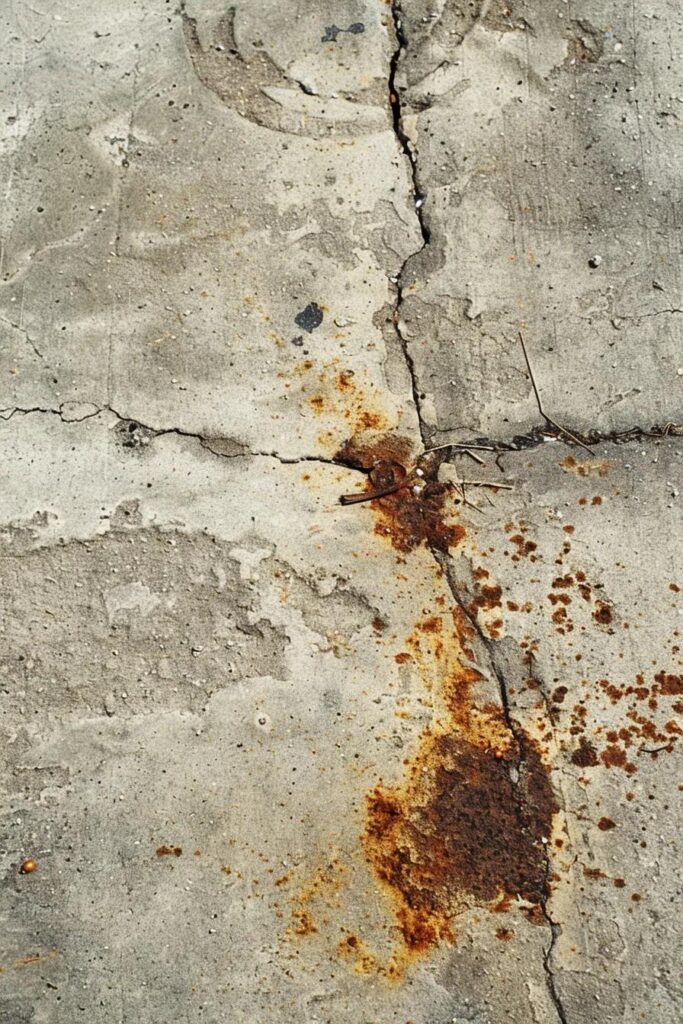
Most Hayward driveway stains come from vehicle fluids, organic growth, metal runoff, and everyday grime. Pressure washing combines mechanical force with targeted cleaners to break stain bonds and lift residues from porous concrete and asphalt. The three-part cleaning action — pressure, chemical pre-treatment, and agitation — restores color and slip resistance when matched to the stain and surface. Knowing what each stain looks like helps you choose the right treatment or send accurate photos for a remote quote. Below is a quick rundown of common stains and the best first step for each.
Hayward driveways commonly show these stain types:
- Oil and grease: dark, irregular patches usually under parked cars or drip zones.
- Mold, mildew, and algae: greenish or black discoloration in shady, damp spots.
- Rust: orange-brown streaks near metal fixtures or from iron in irrigation water.
Use this list to identify stain sources and prioritize treatments before deeper remediation is necessary.
The following table summarizes stain appearance, typical causes, and a recommended quick-treatment approach for Hayward homes.
| Stain Type | Typical Appearance & Cause | Recommended Quick Treatment |
|---|---|---|
| Oil / Grease | Dark brown to black blotches from vehicle leaks or spills | Pre-treat with a degreaser, scrub or agitate, then pressure wash with hot water if available |
| Mold / Mildew / Algae | Green, black, or slimy patches in shaded, damp locations | Apply an oxygen-based cleaner, allow dwell time, then rinse at a low angle |
| Rust | Orange-brown streaking from metal contact or iron-rich water | Use a diluted oxalic-acid cleaner carefully, neutralize and rinse well |
| Tire Marks | Dark linear marks from rubber transfer | Pre-treat with a solvent or degreaser, scrub, then surface-clean under moderate pressure |
| Tree Sap / Gum | Sticky amber or dark resinous spots | Apply a solvent-based sap remover or use heat to soften before pressure rinsing |
| Dirt / Grime | Even discoloration, often from foot or vehicle traffic | Use a surface cleaner with detergent and moderate PSI for even results |
| Moss | Thick, green carpeting in persistently shaded areas | Mechanically remove or treat with a biocide, then pressure wash and fix drainage |
Which Oil and Grease Stains Affect Hayward Driveways?
Oil and grease stains range from fresh surface drips to deep, set-in residues that soak into concrete pores. Fresh spills usually respond well to a biodegradable degreaser and a single professional pass with a surface cleaner and hot water. Older stains may need repeated poultices or mechanical work to pull hydrocarbons from the substrate. Typical pre-treatment is a degreaser applied with agitation and a dwell time so surfactants can break the oil’s bond with the surface before pressure cleaning. We set realistic expectations up front: many stains fade a lot, but very old, saturated spots sometimes require resurfacing if aggregate or pigments remain stained.
How Do Mold, Mildew, and Algae Impact Concrete Driveways?
Mold, mildew, and algae thrive in Hayward where shade, irrigation overspray, and humidity keep surfaces damp. They darken and soften concrete and can create slippery patches. These organisms feed on fine organic films, so effective removal targets both the growth and the grime it clings to — usually with oxygen-based cleaners and agitation. Eco-friendly detergents reduce environmental impact and, when combined with targeted biocides, can delay regrowth for months. Improving drainage and pruning overhanging branches also helps prevent recurrence. Prompt treatment preserves the surface, improves safety, and keeps curb appeal high.
How Does Pressure Washing Effectively Remove Stubborn Driveway Stains?
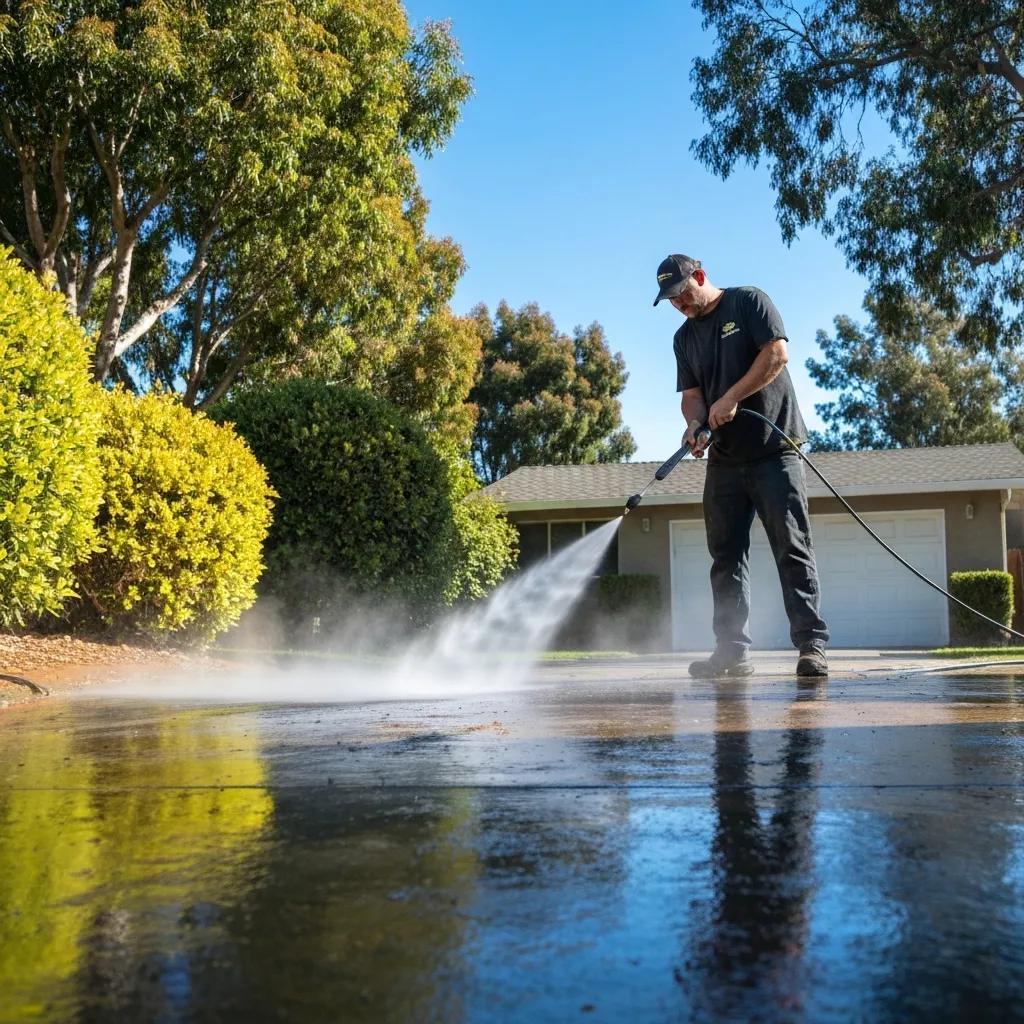
Pressure washing uses high-velocity water, temperature, and chemistry to break the bond between contaminants and the driveway, then flush them away. Success depends on choosing the right PSI range, nozzle angle, and detergent for the stain and surface so cleaning is effective without etching or damage. A surface cleaner gives consistent agitation for large areas while targeted nozzles and brushes handle concentrated spots; technicians often combine hot water with degreasers for oil or use solvent‑appropriate chemistries for resinous stains. Runoff containment and plant protection are standard practice — pros use mats or diversion methods to protect landscaping and local storm drains.
Professional pressure-washing follows a simple, repeatable sequence that maximizes cleaning while minimizing damage:
- Inspect the surface and identify stain types and substrate (concrete, asphalt, pavers).
- Pre-treat stains with the correct chemical class and allow sufficient dwell time.
- Use the appropriate PSI/nozzle combinations and attachments to agitate and rinse contaminants.
This approach reduces unnecessary abrasion and lowers the chance of repeat treatments by addressing both the stain and what lets it stick.
Below is a practical comparison of common stains with recommended PSI, nozzle, and chemical pairings to guide decisions.
| Stain | Recommended PSI & Nozzle | Typical Chemical / Treatment |
|---|---|---|
| Oil / Grease | 2,000–3,000 PSI with 25° nozzle or surface cleaner | Biodegradable degreaser + hot water dwell |
| Mold / Algae | 1,200–2,000 PSI with 25° or 40° nozzle + surface cleaner | Oxygen-based cleaner (no chlorine) |
| Rust | 1,500–2,500 PSI with 25° + targeted brush | Diluted oxalic acid solution with neutralizer |
| Tire Marks | 2,000–3,000 PSI with 15°–25° nozzle | Solvent or high-alkaline degreaser |
| Tree Sap | 1,200–2,000 PSI with 25° plus hand-scraping | Solvent spot-treat then rinse carefully |
What Pressure Washing Techniques Work Best for Oil and Grease Stains?
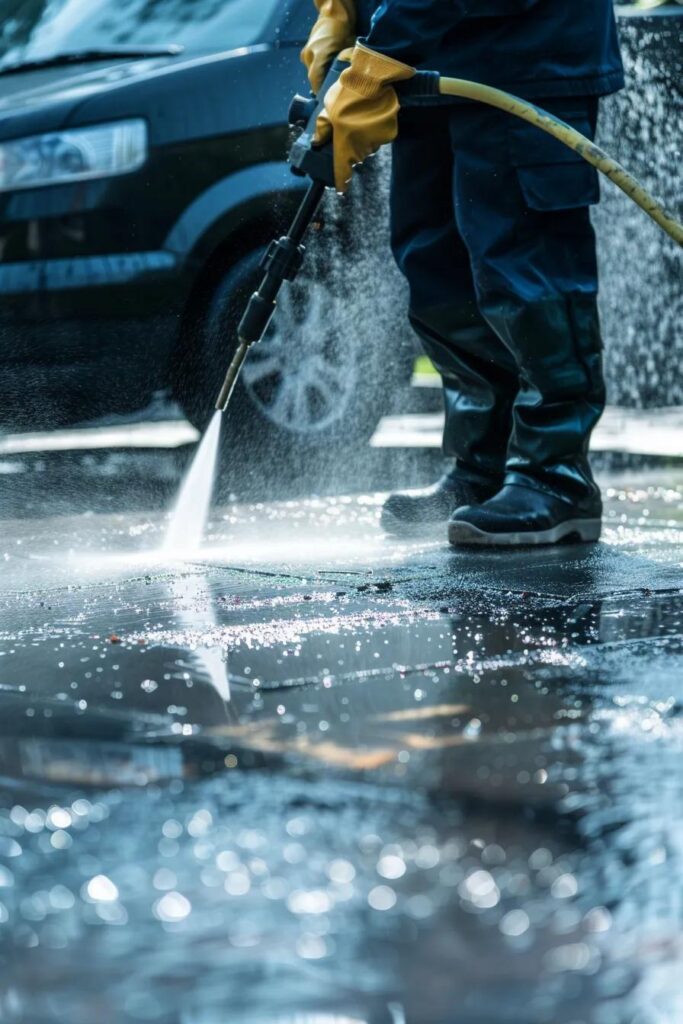
Good oil and grease removal starts with inspection, followed by a concentrated degreaser that penetrates hydrocarbons, mechanical agitation, then a thorough rinse. Pros commonly use a surface cleaner or a 25° nozzle at moderate-to-high PSI to focus cleaning power without excessive etching, and hot water helps by lowering oil viscosity. For old or heavy stains, a poultice of absorbent material plus solvent or repeated pre-treatment cycles lifts the residue before pressure rinsing; sealing afterward reduces future penetration. Proper runoff control and biodegradable chemistry minimize environmental impact and align with local rules and homeowner preferences.
Which Eco-Friendly Cleaning Agents Are Used for Mold and Rust Removal?
For mold and algae, oxygen-based cleaners (peroxide or sodium percarbonate) oxidize organic growth effectively and break down into water, oxygen, and mild ash — a safer alternative to chlorine. Rust needs a more targeted approach: diluted oxalic acid is commonly used to complex iron oxides and lighten stains, but it must be neutralized and rinsed to protect plants. Biodegradable surfactants and low-toxicity chelators work well on many stains while reducing downstream toxicity. Choosing eco-friendly products can mean slightly longer dwell times or extra passes, but it protects landscaping and local waterways.
How Can You Remove Specific Driveway Stains Like Rust, Tire Marks, and Tree Sap in Hayward?
Targeted stains respond best to matched workflows of chemistry and mechanical action. Rust often needs acidic treatment, tire marks respond to solvents and vigorous agitation, and tree sap usually requires solvent softening or heat before rinsing. When requesting a quote, include photos and the stain’s age so pros can plan the right chemistry and containment. The sections below give realistic, stain-specific approaches to help you decide between DIY and professional service.
When addressing specific stains, consider these practical steps:
- Assess stain age and how porous the surface is before picking a method.
- Do a small spot test in an out-of-the-way area when using stronger chemicals.
- Protect plants and control runoff when working with acids or solvents.
These precautions reduce the risk of surface damage and environmental harm while improving the chances of success.
What Are the Best Methods for Rust Stain Removal on Driveways?
Rust stains come from iron contact, metal fittings, or vehicles, and they respond to chemical complexation rather than brute force. Diluted oxalic-acid cleaners applied with a brush or low-pressure sprayer break up iron oxides; follow with a neutralizer and thorough rinse. Deeper stains may need repeat applications, and pros protect adjacent plants during treatment. Mechanical abrasion helps in some cases but can change surface texture, so it’s used only when chemicals aren’t enough or when resurfacing is planned. Applying a breathable sealant afterward can reduce future iron uptake into surface pores.
How Are Tire Marks and Tree Sap Eliminated Through Pressure Washing?
Tire marks usually loosen after solvent or high-alkaline degreaser pre-treatment plus aggressive agitation under moderate-to-high pressure. Technicians often use a 15°–25° nozzle and a surface cleaner for long runs, repeating pre-treatment as needed. Tree sap often needs a solvent to soften it or careful heat application, followed by prompt agitation and a low-angle rinse to avoid smearing. Tough, porous stains sometimes require multiple treatments; in extreme cases, light etching or resurfacing may be necessary to fully even out the surface. Expect spot-specific plans rather than one universal fix for these stubborn stains.
Why Choose Professional Driveway Pressure Washing Services in Hayward?
Hiring a professional gives you trained technicians, calibrated equipment, and a range of cleaning chemistries that lower the risk of surface damage while improving stain-removal success. Pros understand the differences between concrete, asphalt, and pavers and select PSI, nozzle angles, and dwell times that balance cleaning power with preservation. They also handle runoff containment and plant protection to meet environmental best practices. For complex or set-in stains, a pro avoids costly DIY mistakes like over-pressurizing or mixing incompatible chemicals.
What Are the Risks of DIY Pressure Washing for Driveway Stains?
Common DIY mistakes include using too much PSI or the wrong nozzle, which can etch concrete; attempting acid work without neutralization; and failing to protect plants or storm drains from runoff. Improper angle or insufficient pre-treatment can push contaminants deeper into porous surfaces, making stains harder to remove. High-pressure water can cause serious injuries, and handling chemicals without PPE risks skin and eye harm. If you try DIY, stick to low-risk tasks like light rinses and mild detergents, and call a pro when stains resist or acids are needed.
How Does Maid4you Ensure Safe, High-Quality Driveway Cleaning?
Maid4you, Inc. brings a client-first approach to driveway cleaning: we train our crews, use eco-friendly products when possible, and follow safety-focused procedures that protect surfaces and landscaping. Our teams pick the right PSI/nozzle combos, apply biodegradable degreasers and oxygen-based cleaners where appropriate, and explain expected outcomes and any follow-up work. That transparency helps Hayward homeowners set realistic expectations and move confidently from estimate to scheduled service.
What Factors Influence the Cost of Driveway Pressure Washing Services in Hayward?
Price depends on measurable factors: driveway size (square footage), stain severity (surface vs. set-in), surface type (concrete, asphalt, pavers), access, and any prep or containment needed. Simple washes are often priced per square foot; jobs with complex stains, multiple chemistries, or extensive protection measures are usually quoted as lump sums. Accurate photos, measurements, and notes about prior treatments help providers give faster, more accurate estimates. The table below is a straightforward cost-estimator to set expectations for Hayward homeowners.
Note: local conditions — heavy shade, recent weather, or sensitive landscaping — can increase containment needs and labor time, which affects price.
| Driveway Size | Stain Severity | Typical Price Range (Hayward) |
|---|---|---|
| Small (≤300 sq ft) | Light (surface grime) | $150–$300 |
| Medium (300–600 sq ft) | Moderate (localized oil, mold) | $300–$600 |
| Large (>600 sq ft) | Severe (set-in oil, extensive rust) | $600–$1,200+ |
How Is Driveway Size and Stain Severity Priced for Pressure Washing?
Many providers use per-square-foot pricing for uniform cleaning and switch to job-based quotes when stains need time-consuming pre-treatment, multiple chemistries, or mechanical help. Estimates should itemize materials, labor, and containment. For set-in oil or rust, expect line items for degreasers, oxalic treatments, or absorbents; tight access (long hose runs, gates, slopes) can increase labor. Ask for a line-item estimate and about potential extra charges for repeat visits so you won’t be surprised. Knowing how each factor affects price makes it easier to compare providers.
How Can You Get a Free Quote for Hayward Driveway Cleaning?
To get an accurate free quote, prepare photos of the whole driveway and close-ups of major stains, estimate square footage, note the surface material, and point out access or parking limitations. Many companies can give a virtual quote from photos; they’ll do an on-site inspection for complex cases. Expect a clear turnaround time for the estimate and a rundown of recommended chemistry and equipment. Sending details upfront speeds the process and reduces surprises once work begins.
For homeowner readiness, use this checklist when requesting a quote:
- Measure or estimate square footage and note surface material.
- Photograph stains close-up and at distance for context.
- Describe prior treatments and timing to inform likely chemical needs.
How Often Should You Schedule Driveway Pressure Washing to Prevent Stain Build-Up?
Frequency depends on exposure, surface type, and use. Many Hayward driveways benefit from annual professional cleaning; shaded or high-traffic driveways often need service twice a year to manage organic growth and oil buildup. Regular light rinses and spot treatments between professional visits help maintain appearance and extend intervals between deep cleans. Timing matters — late spring or early fall usually offer good weather and quicker drying. A preventive plan balances curb appeal, safety, and cost, keeping your driveway in good shape over time.
Routine maintenance steps that reduce regrowth and prolong clean intervals:
- Blot and rinse spills promptly; use absorbents and a degreaser for oil spots.
- Trim overhanging branches and control irrigation overspray to cut shade and moisture.
- Apply a breathable sealer after a thorough cleaning to limit future penetration.
What Are the Best Practices to Prevent Mold and Mildew Regrowth?
Preventing regrowth focuses on removing the conditions microbes need: reduce shade, improve drainage, and clear organic debris. Regular sweeping and occasional low-pressure rinses remove fine particles that form biofilms, while pruning nearby plants increases sunlight and airflow. When using biocides, pick products labeled for outdoor use and follow dilution and safety instructions to protect vegetation. These habits reduce the frequency of deep cleaning while protecting your landscaping.
How Does Regular Pressure Washing Enhance Driveway Curb Appeal?
Routine professional cleaning restores contrast and texture, making driveways look newer, safer, and more in tune with surrounding landscaping. Clean driveways show edging better, let sealants bond properly, and pair with simple landscape updates — trimmed hedges, fresh mulch — for a stronger first impression. Before-and-after photos are handy when selling, since visible maintenance supports perceived property care. Scheduling cleaning as part of a seasonal exterior refresh delivers the most visual impact and helps prioritize follow-up work like sealing.
Maid4you, Inc. is ready to help Hayward homeowners who want eco-conscious, safety-first driveway cleaning. Our teams use trained technicians, clear communication, and biodegradable products to restore surfaces while protecting landscaping. When you’re ready to move forward, send our photo checklist and a brief stain history so Maid4you can provide an accurate, timely estimate and a service plan tailored to your driveway material and needs.
- Prepared Photo Submission: Send wide and close-up photos of stains and an estimated square footage.
- Describe Prior Treatments: Note any previous cleaning or sealant applications.
- List Access Constraints: Indicate driveway slope, gate access, or parking limitations.
Frequently Asked Questions
What is the best time of year to schedule driveway pressure washing in Hayward?
Late spring and early fall are usually best in Hayward — weather is milder and surfaces dry faster. Scheduling after heavy rain helps avoid trapping moisture under sealants. These windows also give the best balance of cleaning effectiveness and drying time.
How can homeowners prepare for a pressure washing service?
Before the crew arrives, clear the driveway of vehicles, furniture, and loose items. Trim back branches or plants that block access, and take photos of stains to share with the crew. These simple steps speed the process and help the crew plan the right treatments.
Are there any eco-friendly options for driveway cleaning?
Yes. Many pros use biodegradable detergents and oxygen-based cleaners that remove stains without the long-term environmental impact of bleach. Ask about low‑toxicity products and containment practices to protect nearby plants and storm drains.
What should I do if stains reappear after pressure washing?
If stains come back, it may mean the cleaning didn’t reach the full depth of the contamination or the source wasn’t addressed. Take photos and contact your provider for a follow-up — targeted treatments or repeat applications often solve persistent issues. Preventive steps like prompt spill cleanup and better drainage also help.
How can I maintain my driveway between professional cleanings?
Keep the driveway swept, rinse away light dirt, and treat spills quickly with absorbents and degreasers. Trim overhanging trees and fix irrigation overspray to reduce moisture. After a professional clean, consider a breathable sealer to slow future staining.
What are the signs that my driveway needs pressure washing?
Look for visible oil, rust, mold, or algae stains, uneven discoloration, or slippery patches. If regular sweeping won’t remove grime or the surface looks dull and patchy, it’s time for a professional cleaning to restore appearance and safety.
Conclusion
Pressure washing, when done correctly, removes many stubborn driveway stains in Hayward and improves both appearance and safety. Trained technicians, the right chemistry, and careful runoff protection deliver the best results without harming your landscaping. Regular maintenance slows recurrence and preserves your driveway for longer. Ready for a tailored plan? Contact Maid4you to get a clear estimate and a safe, eco-conscious cleaning solution.