

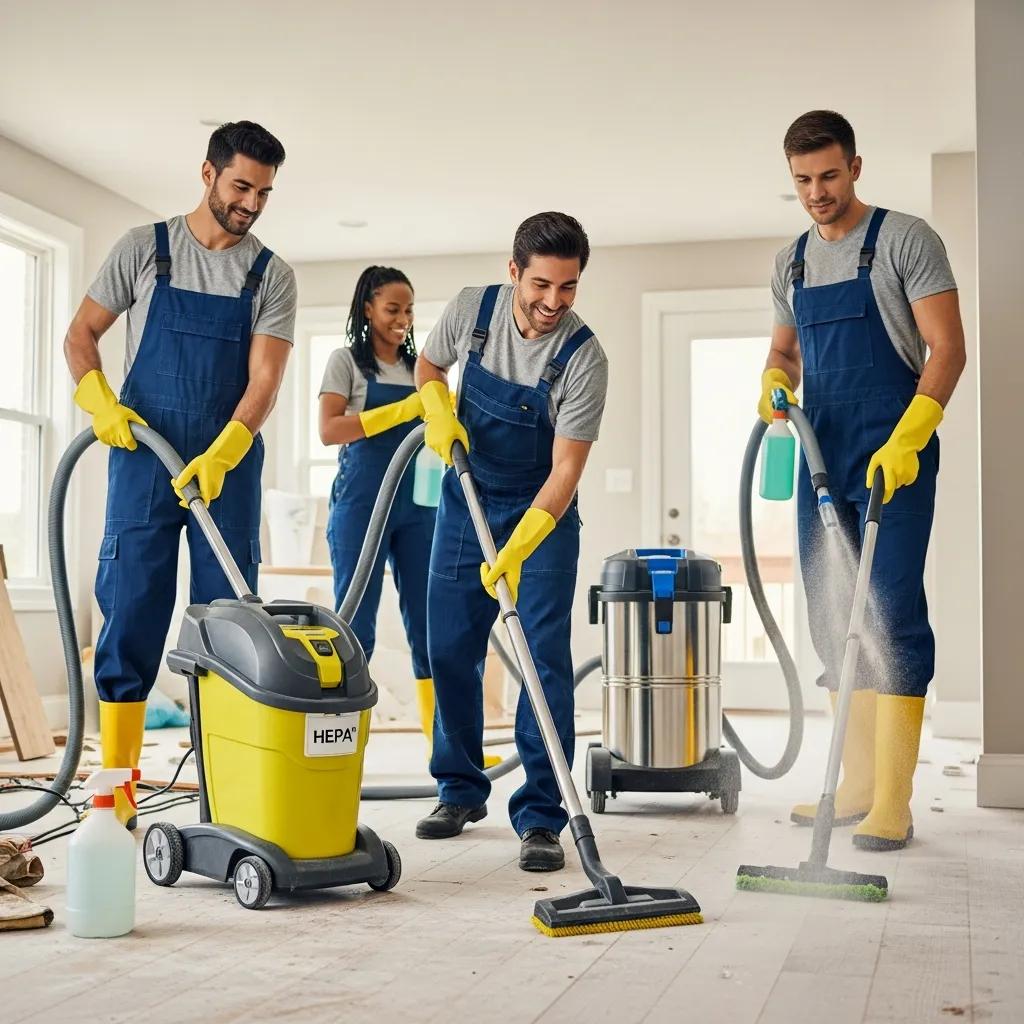
7 Tips to Find Reliable Post-Construction Cleaners in Hayward
Post-construction cleaning removes construction dust, debris, and any hazardous residues left after a renovation or build. Finding dependable post-construction cleanup services in Hayward is key to making a property safe, healthy, and move-in ready. This guide walks you through seven practical tips to protect indoor air quality, shorten move-in timelines, and cut the chance of damage or rework after construction wraps. You’ll learn how to confirm insurance and credentials, read quotes and what drives cost, vet experience and communication, prioritize eco-friendly products and safety, and use checklists and final inspections to hold crews accountable. Each section includes clear steps, inspection scripts, and comparison notes so you can evaluate providers with confidence. Whether you search “post construction cleaning Hayward,” “construction dust removal Hayward,” or “Hayward post renovation cleaning,” these tips will help you find teams that deliver consistent, checklist-driven results.
Why reliability matters when choosing post-construction cleaning in Hayward
Reliability means a team shows up on time, delivers the agreed scope, follows safety protocols, and protects indoor air and finishes. A reliable cleaner reduces health risks from fine dust and chemical residues, prevents delays that push back occupancy, and provides accountability through insurance and guarantees. In practice, dependable crews arrive with the right tools (HEPA vacuums, dust-containment gear), follow a staged workflow from rough to final clean, and communicate timelines so homeowners and contractors can coordinate handoffs. Understanding why reliability matters makes it easier to prioritize providers who minimize liability, protect delicate surfaces, and restore habitability quickly.
At Maid4you, Inc., we follow checklist-driven processes, provide on-site supervision, and back our work with a clear satisfaction approach—practices Hayward homeowners should expect from any professional post-construction team. Use those signals—written guarantees, documented checklists, and specialized techniques—when you compare providers. They usually mean fewer re-cleans and steadier project timelines for both homeowners and contractors.
What marks a reliable post-construction cleanup service?
A trustworthy post-construction team shows concrete proof: written processes, trained staff, the right equipment, and a quality-control routine with checklists and supervision. Ask if they stage the clean (rough, deep, final), use HEPA-filter vacuums for dust, and how supervisors verify completion against a written scope. A reliable crew will list specific tasks—debris hauling, surface sanitizing, window cleaning, floor care—and let you review the checklist before work starts. Those details make performance predictable and give you something to hold the provider to.
Practical steps for homeowners: request the checklist before hiring, confirm HEPA vacuums and PPE are used, and find out who signs off on the final walkthrough. These actions reduce ambiguity and prevent disputes about whether the delivered service matches the agreed scope—protecting both your property and schedule.
How customer reviews reveal trustworthiness
Good reviews show recent, specific accounts of post-renovation work and explain how the company handled issues. Give extra weight to local Hayward reviews that mention construction dust, floor care, and debris removal, and note owner responses that resolve problems professionally. Look for patterns: consistent praise for checklist-driven work and quick responses to corrections signals reliable operations, while vague or very old reviews are less helpful. When possible, ask providers for references from recent renovation jobs so you can ask targeted questions about crew behavior, supervision, and timeline adherence.
Use a simple checklist when scanning feedback: quantity and recency show relevance, detail shows real experience, and management responses demonstrate accountability. This helps you separate repeatable performance from one-off good luck.
How to verify credentials and insurance for Hayward post-construction cleaners

Verifying credentials and insurance means checking for general liability, workers’ compensation, business registration, and employee screening to limit homeowner risk. Request certificates of insurance that show coverage limits and confirm the company works in Hayward; ask whether crews get background checks and training for HEPA equipment and safe chemical handling. Confirming these items protects you if accidental damage, injury, or improper disposal happens during post-renovation cleaning. Do this before hiring so the provider assumes responsibility for on-site incidents and follows legal operating practices.
When you ask for documentation, request insurer names and policy limits, and ask for summaries of employee screening and training. Those verification steps are practical risk-management measures that separate professional teams from casual cleaners without the proper protections.
Why insurance matters for post-renovation cleaning
Post-renovation sites carry higher risks—broken glass, scratched finishes, and worker injuries are common and can lead to expensive claims. General liability covers property damage from cleaning operations; workers’ compensation protects you from employer-liability claims if a crew member is hurt on-site. Without proper insurance, homeowners may face disputes and out-of-pocket costs after accidental damage or injury. Asking for insurer names and policy limits gives you the clarity you need to judge financial protection for your property.
Ask practical questions during verification: “Can you provide a certificate of insurance naming my property as the job site?” and “What are your policy limits for property damage and bodily injury?” Clear answers help you decide if the provider’s coverage matches your project’s scale and value.
Which certifications and background checks should you expect?
Look for proof of employee background checks, identity verification, and industry training that covers HEPA vacuum operation, containment, and safe chemical use. Certifications from recognized cleaning organizations and training records for specialized equipment indicate a provider understands post-construction risks and how to reduce them. Verify that crews get regular safety refreshers and that the company keeps written procedures for containment, disposal, and equipment maintenance. These practices lower the chance of property damage and ensure technicians work to consistent standards.
When asking for proof, request summary statements of background-screening policies, examples of training topics (HEPA operation, PPE use, floor-care protocols), and whether supervisors perform on-site quality audits. Those items show a real commitment to safety and quality control.
Best practices for vetting post-construction cleaning companies in Hayward
Good vetting steps: request a written scope of work, review an itemized checklist, check references from similar renovation jobs, and confirm on-site supervision and quality-control routines. Interview candidates with focused questions about heavy dust, delicate surfaces, and debris disposal. Prefer companies that offer staged cleaning plans (rough, deep, final), use HEPA vacuuming and window cleaning, and provide a single point of contact for scheduling and issue resolution. These actions let you compare providers fairly and pick the team that fits your project’s complexity.
Use the interview to spot red flags—vague scopes, refusal to provide references, or resistance to staging the clean are warning signs. Clear, direct answers about process and supervision strongly correlate with reliable performance and fewer surprises on the final walkthrough.
How to assess experience and specialized post-renovation expertise
Ask for examples and photos of past post-renovation jobs—especially ones requiring heavy dust removal, grout or finish restoration, or special floor care. Confirm they use HEPA vacuums and dust-containment systems, ask about crew training for renovation dust, and request case details that show problem-solving on tougher sites. Providers who document methods and outcomes usually handle different surfaces and materials more effectively. Specific evidence of past work reduces uncertainty about whether a team can handle your project.
Red flags include generic portfolios, evasive answers about equipment, or no photo documentation. Reliable providers will readily show how they handled similar tasks and explain why they used certain methods and tools.
Why clear communication is essential for reliable cleanup services
Clear communication is part of reliability: it sets arrival windows, stage-by-stage milestones, and post-job follow-up so homeowners and contractors can coordinate. A provider who gives a single point of contact, provides predictable updates, and has written change-order policies reduces misunderstandings. Accessible supervisors who can resolve issues found during the final walkthrough help ensure touch-ups are scheduled quickly under any satisfaction guarantee.
When vetting providers, ask who your day-of contact will be, how schedule changes are communicated, and the process for submitting and resolving punch-list items. Their answers reveal whether communication is part of their reliability promise.
How to compare quotes and understand pricing for post-construction cleaning in Hayward
To understand pricing, know the main cost drivers—square footage, condition (light dust vs. heavy debris), crew size, and special services like HEPA vacuuming or window restoration—and compare itemized quotes. A transparent estimate breaks out line items so you can see add-ons like disposal fees, floor treatments, or extra crews for tight timelines. For jobs with heavy debris or tricky access, ask for an on-site estimate; remote quotes can miss details that change cost. Comparing quotes with consistent line items helps you spot fair pricing and avoid surprise fees.
Introductory paragraph for quote comparison table: The table below lays out common quote components so homeowners can see what most affects post-construction cleaning cost and scope.
| Service Component | What It Covers | Typical Impact on Price |
|---|---|---|
| Square footage & job size | Time and labor to clean every room and surface | High — grows with size and crew needed |
| Condition level (dust vs. debris) | Amount of heavy waste, leftover materials, or bonded dust | High — heavy debris increases labor and disposal |
| Specialized equipment | HEPA vacuums, scaffolding, buffers, containment systems | Medium — rental or usage fees add cost |
| Disposal & hauling | Removal and lawful disposal of construction waste | Low–Medium — depends on volume and local fees |
| Specialized surface care | Grout cleaning, polishing, or delicate finish restoration | Medium — needs skill and time |
This comparison helps you read itemized estimates and ask targeted questions about cost drivers so you can spot vague quotes or missing line items that could lead to unexpected charges.
What factors influence post-construction cleanup cost?
Price depends on debris and dust levels, surface types (hardwood, tile, painted drywall), access limitations, and timeline urgency that can require extra crews or overtime. Heavy plaster or tile debris raises labor and disposal needs, while delicate finishes need slower, more careful methods that cost more. Site-specific issues—elevator access or parking limits—can affect crew efficiency and add handling fees. Knowing these factors helps homeowners anticipate budgets and decide between staged cleaning or a single final clean.
Ask providers to classify the job condition (light, moderate, heavy) and explain how that changes staffing and equipment needs; that transparency clarifies how the quote was prepared.
How to spot transparent, fair pricing among providers
Transparent pricing includes itemized quotes, a written scope of work, a no-hidden-fees statement, and clear change-order policies. Prefer providers who do on-site inspections and give a written checklist and timeline tied to the estimate. Red flags: lump-sum quotes without breakdowns, reluctance to confirm disposal fees, or inflexible terms that harshly penalize reasonable changes. Choose teams that offer written guarantees for corrective actions if the final walkthrough finds missed items, and ask how corrections are scheduled and billed.
A quick vendor checklist clarifies fairness: request an itemized quote, ask about disposal and equipment charges, and confirm whether tight timelines add overtime fees. Providers who answer directly and in writing show pricing integrity and cut the risk of end-of-job disputes.
What role do eco-friendly products and safety protocols play in reliable cleanup services?

Eco-friendly products and solid safety protocols help indoor air quality, protect occupants and finishes, and show a provider’s commitment to long-term health after renovation. Low‑VOC cleaners paired with HEPA filtration lower chemical residues and airborne particulates that can irritate sensitive residents or damage new furnishings. Safety steps—containment, PPE, clear access rules, and proper disposal—prevent cross-contamination and property damage while keeping crews safe. These practices matter most in occupied homes, where leftover dust or harsh residues can cause ongoing issues for people and pets.
Introductory paragraph for eco-friendly table: The table below lists common eco-friendly product categories and safety protocols and explains their practical benefits for indoor air and occupant safety after renovation.
| Product / Protocol | Characteristic | Benefit / Impact |
|---|---|---|
| Low-VOC cleaners | Fewer volatile organic compounds | Lower chemical residues and safer air for occupants |
| HEPA vacuuming | Captures fine construction dust (PM2.5/PM10) | Improves indoor air quality and reduces allergens |
| Biodegradable detergents | Break down more quickly in the environment | Safer for finishes and landscaping runoff |
| Containment systems | Zoning and negative pressure where needed | Prevents dust migration to occupied areas |
Combining eco-friendly products with HEPA filtration and containment measurably improves post-renovation indoor environments and lowers health risks.
Why choose services that use eco-friendly cleaning products?
Low-VOC and biodegradable products reduce lingering chemical residues on surfaces and in HVAC systems, which can affect indoor air after construction. When paired with HEPA filtration, eco-friendly methods cut both particulate and chemical irritants, making homes safer for children, older adults, and pets. Greener options can sometimes cost a little more or need longer dwell times, but the health and finish-protection benefits usually outweigh the extra expense. Ask providers which products they use and how those products fit into their mechanical filtration and rinsing steps—documented protocols show greener choices are real practices, not just marketing.
How safety measures protect your home during post-construction cleaning
Safety steps—dust containment, PPE, secure disposal of sharps or hazardous remnants, and surface protection—prevent accidental damage and health exposures. Containment limits dust migration to finished rooms, PPE protects workers and reduces cross-contamination, and proper debris handling avoids scratches and stains. Providers should describe site-specific precautions, like taping vents during sanding cleanup or using floor runners to prevent scuffs. Those visible controls both lower risk and signal that the team follows standardized, safety-first procedures.
Ask a provider to summarize site-prep and containment steps in writing so you know how they will protect finishes and occupant health during the cleaning.
How to use checklists and final inspections to ensure quality post-construction cleaning
Using a checklist for the final inspection makes it easy to verify the agreed scope and triggers corrective work under guarantees. Standard checklist items cover staged tasks—rough debris removal, deep dusting and HEPA vacuuming, then final detail cleaning—across cabinets, vents, light fixtures, windows, and floors. A room-by-room checklist during the final walkthrough helps you log deficiencies, request touch-ups, and document acceptance. This disciplined approach creates an auditable record and reduces confusion about what “done” looks like.
Introductory paragraph for checklist table: Use the practical checklist below to guide a room-by-room final inspection and document whether each task meets completion criteria for a post-construction cleanup.
| Task | Area / Surface | Completion Criteria |
|---|---|---|
| HEPA vacuuming | Floors, baseboards, vents | No visible dust; vacuum passes show collected dust |
| Window cleaning | Frames, sills, glass | No paint specks or haze; streak-free glass |
| Surface wipe-down | Cabinets, light fixtures, trim | No residue or dust; finish intact |
| Debris removal | All rooms & exterior staging areas | No leftover nails, packing, or construction waste |
After using the checklist, document any items that need correction and confirm the expected timeline for touch-ups—this record is essential for invoking guarantees or scheduling follow-up work.
What a comprehensive post-construction cleaning checklist should include
A complete checklist covers staged phases—rough clean to remove debris, deep clean for settled dust, and final clean for detail work and polish. It should call for HEPA vacuuming of all horizontal surfaces, window and track cleaning, HVAC vent dusting, cabinet and fixture wipe-downs, floor finish checks, and filter replacement where applicable. Acceptance criteria should be explicit—for example, “no visible dust on window sills” or “streak-free glass after two passes.” Clear, measurable criteria reduce ambiguity and make it easier to confirm the agreed scope is done.
Give the checklist to the provider ahead of time and use it during the walkthrough to compare promised tasks with delivered results; that practice increases the chance any needed corrections are handled promptly.
Why a final walkthrough is important before approving cleanup completion
The final walkthrough confirms the scope was met, records any remaining issues, and triggers corrective actions under the provider’s satisfaction guarantee. During the inspection, validate each checklist item room-by-room, note discrepancies, and agree on timelines for touch-ups before final acceptance or payment. Doing the walkthrough with the provider present ensures immediate clarification of expectations and a written account of any follow-up work. This protects homeowners from paying for incomplete work and gives providers a chance to fix issues before the project closes.
Use a simple walkthrough script: name the checklist item, inspect the area, document findings, and request corrections with a target completion date—this structured approach speeds resolution and preserves accountability.
When you’re ready to request a quote or schedule a final inspection, contact local teams that emphasize checklist-driven, supervised cleanings and offer free personalized estimates. Those offers let you compare written scopes and confirm alignment with your project needs. Maid4you, Inc., a Hayward-based cleaning company, provides locally focused post-construction cleaning with supervised, checklist-driven workflows and a satisfaction approach you can use as an example when requesting written scopes and quotes.
Frequently Asked Questions
What should I look for in a post-construction cleaning contract?
Look for a detailed scope of work, itemized pricing, and clear timelines. The contract should outline both parties’ responsibilities and explain what happens if work isn’t completed to satisfaction. Check for guarantees or warranties and any final walkthrough terms. A clear contract protects you from misunderstandings and holds the provider accountable.
How can I ensure the safety of my home during the cleaning process?
Confirm the cleaning service follows strict safety steps: crews should use PPE, implement dust containment, and dispose of hazardous materials properly. Ask the provider to explain site-prep measures and how they protect your home from damage. Also verify they carry appropriate insurance to cover accidents or damages that could occur during the job.
What types of eco-friendly products should I expect from a cleaning service?
A reputable post-construction cleaner will use low‑VOC, biodegradable products and pair them with HEPA filtration to capture fine dust. These choices reduce chemical residues and improve indoor air quality. Ask for a product list so you can confirm their commitment to greener, safer cleaning methods.
How long does post-construction cleaning typically take?
Duration varies by project size, debris level, and services requested. A thorough clean can take from a few hours to several days. Larger projects with heavy debris often require staged cleaning, which extends the timeline. Discuss expected duration during the estimate so you have realistic expectations.
What are the common mistakes to avoid when hiring a cleaning service?
Common mistakes include not verifying credentials and insurance, accepting vague quotes, and ignoring customer reviews. Don’t hire based solely on price—consider the full value offered. Make sure the provider has post-construction experience and a clear scope of work before hiring.
How can I prepare my home for post-construction cleaning?
Clear personal belongings from work areas and give the crew easy access to all spaces. Remove any large debris that could block work and point out areas needing special attention. Communicating concerns ahead of time helps the team work efficiently and meet your expectations.
Conclusion
Finding reliable post-construction cleanup services in Hayward keeps your home safe, healthy, and ready to enjoy after renovations. Follow the tips here to evaluate providers by reliability, credentials, eco-friendly practices, and clear pricing. When you choose teams who use checklist-driven workflows, provide supervision, and stand behind their work, you’re more likely to get predictable, high-quality results. Start by contacting local cleaners for written scopes and free estimates so you can compare options and pick the best fit for your project.