

10 Practical Tips to Choose a Trustworthy Post‑Construction Cleaning Team for Your Project
Post‑construction cleaning is the targeted work of removing construction debris, fine dust, stickers, and adhesive residue after a renovation or new build so a space is ready for occupancy. Choosing a dependable post‑construction cleaning team matters: the wrong methods can dull finishes, leave hazardous dust, and push back move‑in dates. This guide gives ten clear, field‑tested tips to help you reduce those risks and hire the right crew. You’ll learn how to verify licenses and insurance, what specialized experience to prioritize, which tasks belong in each cleaning phase, how pricing is usually structured, and how to vet reviews and communication practices. We also explain why equipment choices—like HEPA vacuums and low‑VOC products—matter for indoor air quality and surface protection. Keywords such as post construction cleaning services, post renovation cleanup, construction dust removal, and insured post construction cleaning are used naturally to help you connect with the right team for your Hayward or Bay Area project.
Why professional post‑construction cleaning matters for your home or project
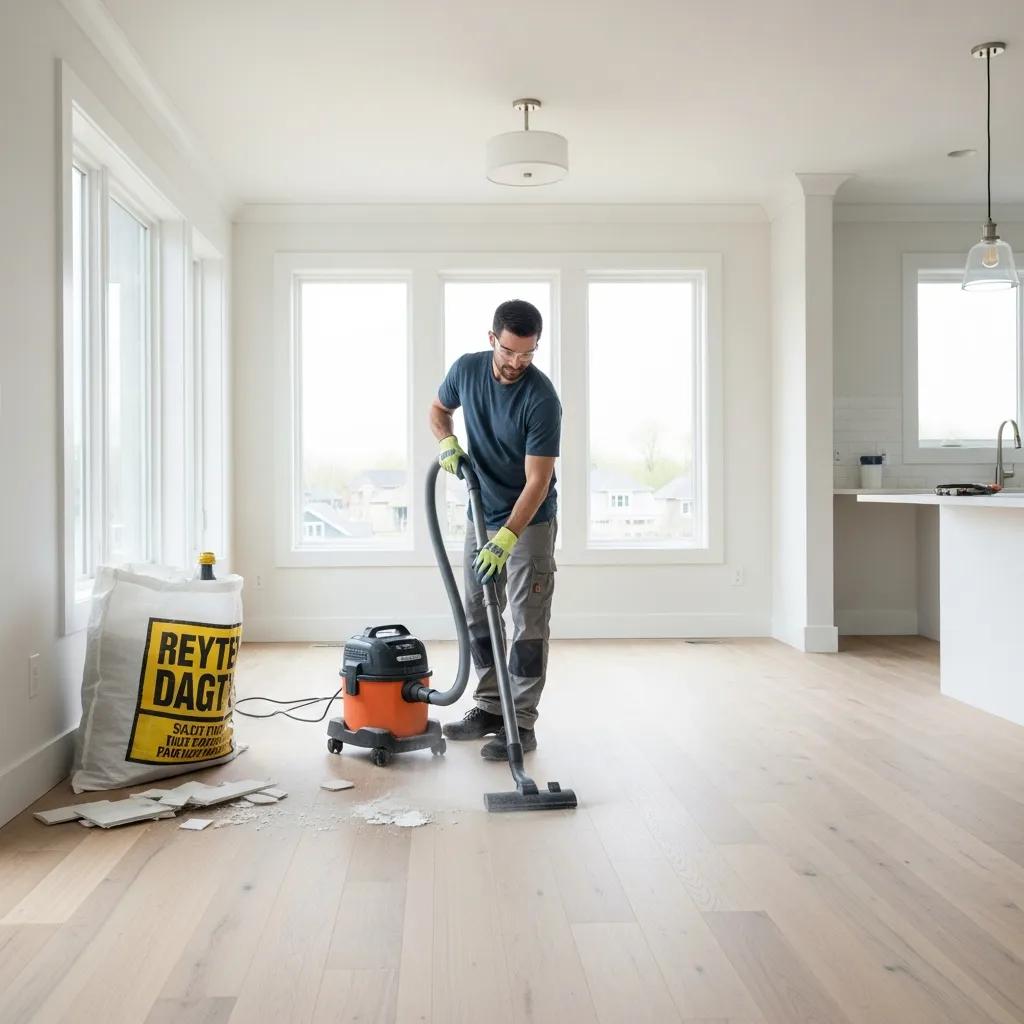
Post‑construction cleaning removes hazardous dust and construction residues ordinary cleaning misses. That protects people, preserves new finishes, and restores indoor air quality. HEPA vacuums capture the fine particulates created by sanding and drywall work, lowering airborne dust and allergen exposure and helping finishes settle without trapped grit. Pro crews follow the right sequence—bulk debris first, then dusting—so surfaces aren’t re‑contaminated, and they use finish‑safe products that won’t damage wood, stone, or paint. The result is a faster, safer handover and fewer warranty issues. Once you understand these benefits, it’s easier to see why hiring an experienced post‑construction team pays off.
Key benefits of hiring a reliable post‑construction cleaning company
A reputable post‑construction cleaner brings measurable safety, time savings, and quality control to the final stages of a project. Professionals remove sharp debris, use HEPA filtration to reduce airborne dust and allergens, and apply appropriate chemistry to protect new surfaces and warranties. They work in phases that align with contractor schedules—rough, intermediate, and final—so move‑in readiness happens faster and property managers face less downtime. Local Bay Area examples show that coordinated cleaning reduces punch‑list items by stopping abrasive dust from embedding in finishes. Those operational and health benefits make vetting expertise an essential early step.
How professional cleaning improves air quality and protects new finishes
Professional crews improve air quality by capturing microscopic dust that ordinary sweeping simply redistributes. HEPA vacuums trap particles down to 0.3 microns, removing respirable dust that can aggravate allergies or settle into HVAC systems. Containment measures and negative‑pressure zones prevent dust from spreading to finished areas, and top‑to‑bottom cleaning prevents particles from settling back onto newly finished floors and counters. Using the wrong solvent or abrasive tool can strip sealants or etch stone, so specialists match agents and methods to each material. Knowing how filtration, containment, and material‑specific chemistry work together explains why experience and equipment matter.
How to verify licensing, insurance, and bonding for post‑construction cleaners
Verifying licenses, insurance, and bonds protects you from liability and shows the company operates professionally. Before work starts, ask for proof and document it. Request general liability insurance, workers’ compensation, and a surety bond when relevant; get policy numbers and the insurer’s contact so you can confirm coverage. Keep scanned certificates or photos with your project files so you have a clear record if damage or injury claims arise. These protections translate to financial and legal coverage for homeowners and contractors—so confirming credentials is non‑negotiable.
Why choosing licensed and insured professionals matters
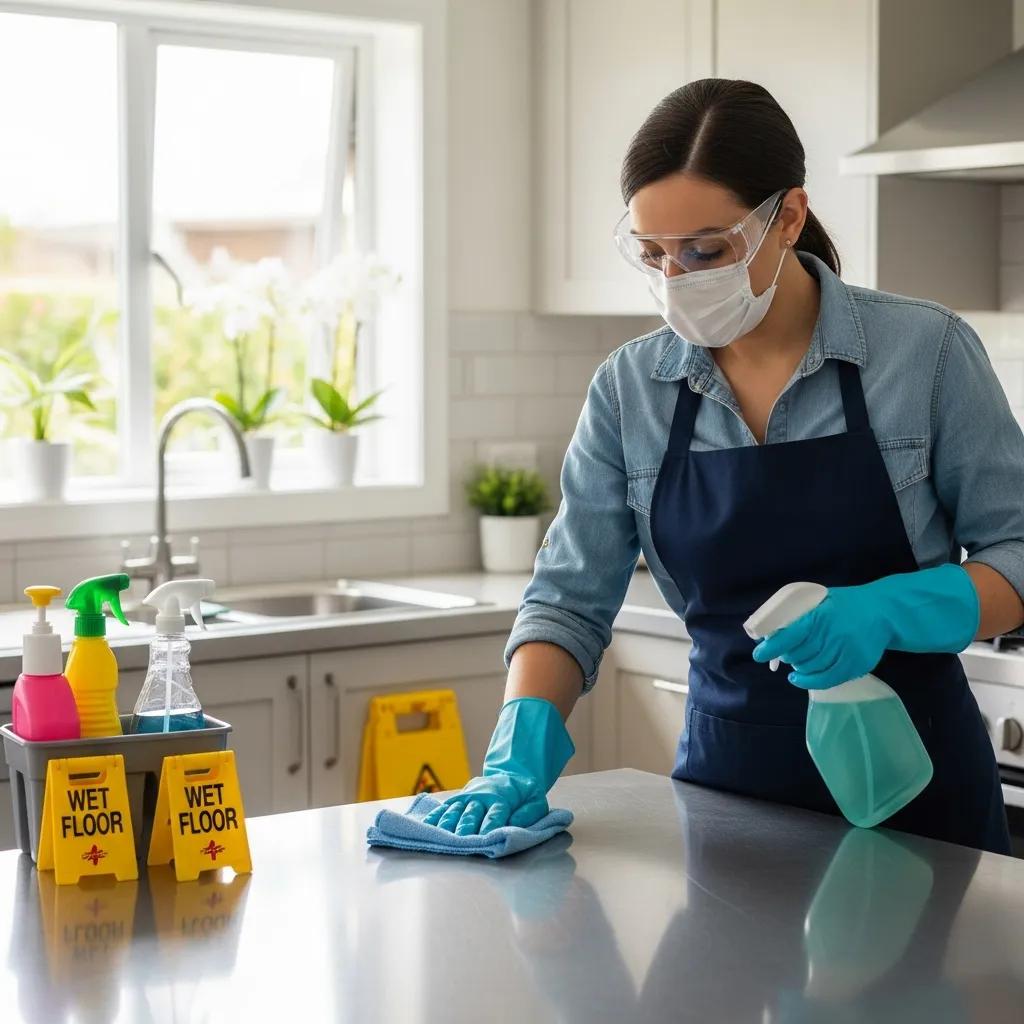
Licensed and insured cleaners reduce your exposure to unexpected costs from accidents, property damage, or on‑site injuries. Liability insurance covers accidental damage to counters, cabinetry, or glass, while workers’ comp covers employee injuries so you’re not held responsible. Without these safeguards, homeowners can face out‑of‑pocket bills and disputes that delay project closeout. Check that credentials are current and that policy limits match the size of the job—this simple step helps keep your timeline and budget secure.
Questions to confirm credentials and safety compliance
Before hiring, prepare a short list of questions that verifies coverage and safety practices so you can compare vendors consistently. Ask for proof of liability and workers’ compensation insurance and request the insurer’s contact for verification. Inquire about bonds, OSHA or safety training, and whether crews use PPE and negative‑pressure containment for dust control. Strong answers include specific policy types and limits, examples of staff training, and confirmation of HEPA filtration for post‑construction work. Keep the responses with your permits and contractor records to rule out providers that lack formal compliance.
- Request written proof of insurance and bond details before scheduling.
- Ask for confirmation of crew training, PPE use, and dust‑control protocols.
- Verify policy numbers with the insurer and save records in your project file.
Confirming these items creates a defensible procurement process that protects project stakeholders and aligns cleaning work with site safety expectations.
What experience and specialization to look for in post‑construction cleaners
Post‑construction specialists use project workflows, equipment, and finish‑aware techniques general cleaners often lack. Look for teams that document prior renovation and new‑build final cleans, show before‑and‑after photos, and explain material‑specific methods for stone, hardwood, cabinetry, and painted surfaces. Ask whether crews coordinate sequencing with contractors—rough clean, intermediate clean, final walk‑through—and whether they use quality checklists at each stage. Those signs show a provider understands the layered approach required on construction sites.
How specialization affects cleaning quality
Specialists avoid common mistakes—like acidic cleaners on cement grouts or abrasive pads on delicate finishes—by following manufacturer recommendations and gentler techniques. Their workflow—debris removal, surface dusting, HEPA attention to HVAC, and a final polish—reduces punch‑list rework and helps preserve warranties. When a provider shares project examples and procedural safeguards, they demonstrate the competency needed to protect new materials and secure final acceptance.
Why local Hayward and Bay Area experience matters for your project
Local experience helps because Bay Area renovations bring specific materials, climate considerations, and logistical constraints—traffic windows, parking, and multi‑property access rules—that affect scheduling and pricing. A local team knows common regional finishes, suppliers, and how to respond quickly for unexpected touch‑ups. Nearby references make verification easier. Choosing a cleaner familiar with Hayward‑area project rhythms improves scheduling, materials handling, and timely completion for handover.
| Qualification | Attribute | What to Ask / Check |
|---|---|---|
| Project Type Experience | Renovation vs. new build | Request recent similar projects and before/after photos |
| Equipment & Methods | HEPA vacuums, containment | Confirm HEPA use and dust‑control procedures |
| Staff Training | Safety and finish handling | Ask for crew training descriptions and supervisor oversight |
What a detailed post‑construction cleaning checklist should include
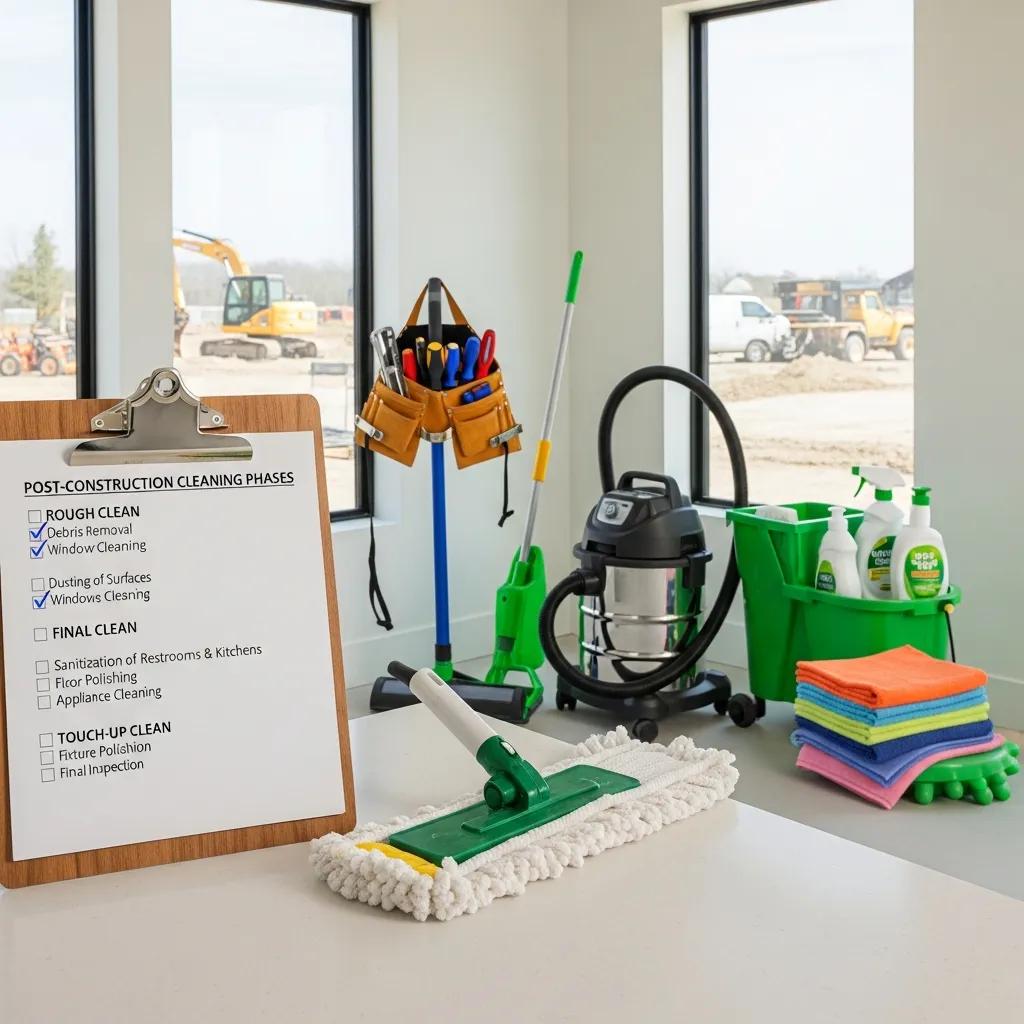
A thorough checklist breaks the job into clear phases—rough clean, intermediate clean, final clean, and touch‑up/walk‑through—so tasks happen in the right order and nothing is missed. The rough clean removes bulk debris, the intermediate clean targets fine dust in hard‑to‑reach areas, and the final clean focuses on surface polish, interior windows, and sanitation. Include HVAC filter checks, sticker and adhesive removal, and a documented final inspection so the property is safe and presentable. Defined phases keep contractors and cleaners from duplicating work or skipping steps that affect appearance and air quality.
Essential phases and tasks for a thorough post‑construction cleanup
Clear phase definitions and task sequencing keep crews efficient and lower rework risk—for example, removing debris before dusting avoids re‑contamination, and cleaning HVAC filters before final polishing prevents redistributed dust. Core tasks include hauling debris, detailed crevice cleaning, HEPA vacuuming of floors and ducts, wet‑wiping horizontal and vertical surfaces, interior window cleaning, and final sanitization of touchpoints. Coordinate with contractors on timing—for instance, wait until paint has cured before certain polishes—to protect finishes.
- Rough clean: remove large debris, collect waste, and clear paths.
- Intermediate clean: HEPA vacuuming, fixture wipe‑downs, and HVAC attention.
- Final clean: detailed surface polishing, interior window cleaning, and sanitation.
| Phase | Key Tasks | Outcome |
|---|---|---|
| Rough Clean | Debris removal, trash haul, initial sweep | Safe, accessible worksite |
| Intermediate Clean | HEPA vacuuming, HVAC filter attention, wipe‑downs | Reduced airborne particulates |
| Final Clean | Interior window cleaning, surface sanitization, touch‑up polish | Move‑in ready condition |
How eco‑friendly products and HEPA vacuums boost effectiveness
HEPA vacuums capture microscopic particles ordinary vacuums miss, improving indoor air quality and reducing the chance dust will abrade or dull new finishes. Low‑VOC, eco‑friendly cleaners limit chemical exposure for occupants and lower the risk of finishes reacting badly to harsh solvents. Ask providers about product labels and green cleaning protocols so the cleaning both protects people and preserves material warranties. Filtration plus gentle chemistry form the technical backbone of a finish‑sensitive clean.
How to evaluate transparent pricing and understand post‑construction cleaning costs
Transparent pricing starts with a clear scope, itemized costs, and stated assumptions about job condition and timing—ask for written, line‑item quotes so you can compare offers fairly. Major price drivers include square footage, debris level, access limits, timeline urgency, and specialty services like interior window cleaning, HVAC work, or hazardous‑material handling. A solid quote lists assumptions (for example, whether contractor trash removal is included), disposal fees, and any overtime or weekend premiums. Knowing these elements helps you compare estimates and spot hidden charges.
Factors that influence post‑construction cleaning pricing
Pricing depends on measurable factors—square footage and floors—and qualitative conditions like how much construction debris or hazardous material needs special handling. Accessibility affects labor: narrow stairwells or high floors add time, while tight deadlines require bigger crews and possible weekend work. Disposal and hauling fees, special equipment rentals (lifts or scaffolding), and extra services (HVAC filter replacement, interior window cleaning) all increase costs. Estimating these variables up front reduces surprises in the final invoice.
How to compare quotes and avoid hidden fees
When comparing bids, insist on line‑item estimates and written assumptions so you can match scope across providers. Ask whether disposal, materials, and the post‑clean walk‑through are included and whether the quote assumes a contractor‑cleared site or includes bulk debris removal. Red flags are vague scopes, all‑in flat fees without detail, or pressure for large deposits before signing. A simple comparison checklist helps you choose the best value—not just the lowest price.
- Request itemized quotes that separate labor, materials, disposal, and equipment.
- Confirm whether the bid assumes contractor‑cleared conditions or includes debris removal.
- Watch for vague language and ask direct follow‑up questions about inclusions.
| Cost Driver | Attribute | Typical Impact |
|---|---|---|
| Job Size | Square footage and levels | Costs rise with area and stairs |
| Site Condition | Debris volume / hazardous materials | More debris = higher labor and disposal |
| Timing | Rush scheduling or weekends | Premiums for accelerated timelines |
Note on local service options: For Hayward and Bay Area projects, local providers emphasize transparent, itemized quotes and knowledge of regional logistics. Maid4you, Inc. is a Hayward‑based company offering dedicated post‑construction services—debris removal, dusting, HEPA vacuuming, interior window cleaning, and eco‑friendly products. When requesting quotes, ask for a line‑item estimate that maps directly to the phases and services your project needs. This mention highlights a nearby option with the equipment and processes described above.
Why reviews, references, and clear communication matter when hiring cleaners
Customer reviews and references show consistent performance, while clear communication prevents misunderstandings that lead to punch‑list items after handover. Reviews with photos, dates, and project details help validate a provider’s specialization and timeliness; references from similar jobs let you confirm scope accuracy and responsiveness. Clear communication—one project contact, a written scope, and scheduled pre‑ and post‑clean walk‑throughs—aligns expectations and speeds dispute resolution. These practices build accountability and a predictable closeout process.
How to verify reliability through testimonials and case studies
Evaluate testimonials for recent dates, specific project details, and supporting photos that indicate the reviewer’s project type and scale. Ask providers for contactable references from recent, similar jobs and confirm that promised scopes match delivered work. Request a short case study or photo sequence for one comparable job and ask how any issues were solved. These steps turn testimonials into verifiable evidence of capability rather than generic praise.
Communication habits that ensure a smooth post‑construction clean
Set a communication plan before work begins: assign a single point of contact, agree on a written scope and timeline, and schedule a pre‑clean walkthrough to identify remaining contractor tasks and a post‑clean walkthrough for final acceptance. Require a written change‑order process in case the scope shifts and clarify how quality issues will be remedied. A timeline with milestone sign‑offs reduces disputes and ensures contractor and cleaner share the same finish‑line expectations.
- Confirm a single project contact and a written scope before the start date.
- Schedule pre‑clean and post‑clean walk‑throughs using documented checklists.
- Require a documented change‑order and remediation procedure.
| Communication Aspect | Purpose | Recommended Action |
|---|---|---|
| Single Point of Contact | Reduce confusion | Assign a named project manager |
| Written Scope | Define deliverables | Use a checklist with sign‑offs |
| Walk‑throughs | Verify completion | Schedule pre‑ and post‑clean inspections |
| Qualification | Attribute | What to Ask / Check |
|---|---|---|
| References | Similar project types | Request recent, contactable references |
| Equipment | HEPA, eco‑products | Confirm specific equipment and products used |
| Insurance | Coverage details | Verify policy numbers and limits |
When you’re ready to move forward, many local providers—including those in Hayward—offer a free, itemized estimate on request that matches the phases and inclusions discussed above. When a company ties its line items to the checklist phases, you get a true apples‑to‑apples comparison that reduces surprises.
(Note: The preceding sentences reference typical local provider practices and the earlier factual mention of Maid4you, Inc.; they do not include contact details or links.)
Frequently Asked Questions
What should I look for in a post‑construction cleaning service contract?
Look for a detailed scope of work, clear timelines, and payment terms. The contract should spell out the cleaning phases—rough, intermediate, final—and any quality guarantees. Check cancellation terms and how unexpected issues (extra debris or damage) will be handled. A clear contract protects both parties and sets realistic expectations.
How can I ensure the cleaning service uses safe and effective products?
Ask the company for a list of products and their Safety Data Sheets (SDS). Confirm whether they use low‑VOC or biodegradable options and whether they employ HEPA filtration. Reputable providers will be transparent about their methods and prioritize both occupant safety and finish protection.
What common mistakes should I avoid when hiring a post‑construction cleaning service?
Avoid skipping credential checks—licensing and insurance are essential. Don’t accept vague, all‑in quotes without line items, and always check references or recent reviews. Also establish clear communication protocols up front to prevent scope misunderstandings that can delay handover.
How can I prepare my space for post‑construction cleaning?
Make sure major construction is done and contractors have cleared tools and materials. Remove personal items or furniture that could block access and tell the cleaning team about any areas of concern. Providing full access and a short orientation will help the crew work efficiently and deliver a thorough job.
What is a typical timeline for post‑construction cleaning?
Timelines vary by project size and debris level. A rough clean can take a few hours to a day; intermediate and final phases may add one to several days. Larger projects can take a week or more. Discuss the timeline with your cleaner up front so expectations are realistic.
Are there certifications I should look for in a cleaning service?
Look for professional certifications like IICRC (Institute of Inspection, Cleaning and Restoration Certification) and any local or state credentials required for cleaning services. These credentials indicate adherence to industry standards and a commitment to safe, effective practices.
Conclusion
Picking the right post‑construction cleaning team delivers a safer, faster, and higher‑quality finish for your space. Prioritize licensed, insured professionals with post‑construction experience, clear phased checklists, and transparent, itemized quotes. Request estimates from local providers and compare line items against the checklist here—your project will thank you with fewer delays, better air quality, and protected surfaces. Take the next step and ask for a detailed, itemized quote from providers in your area.