

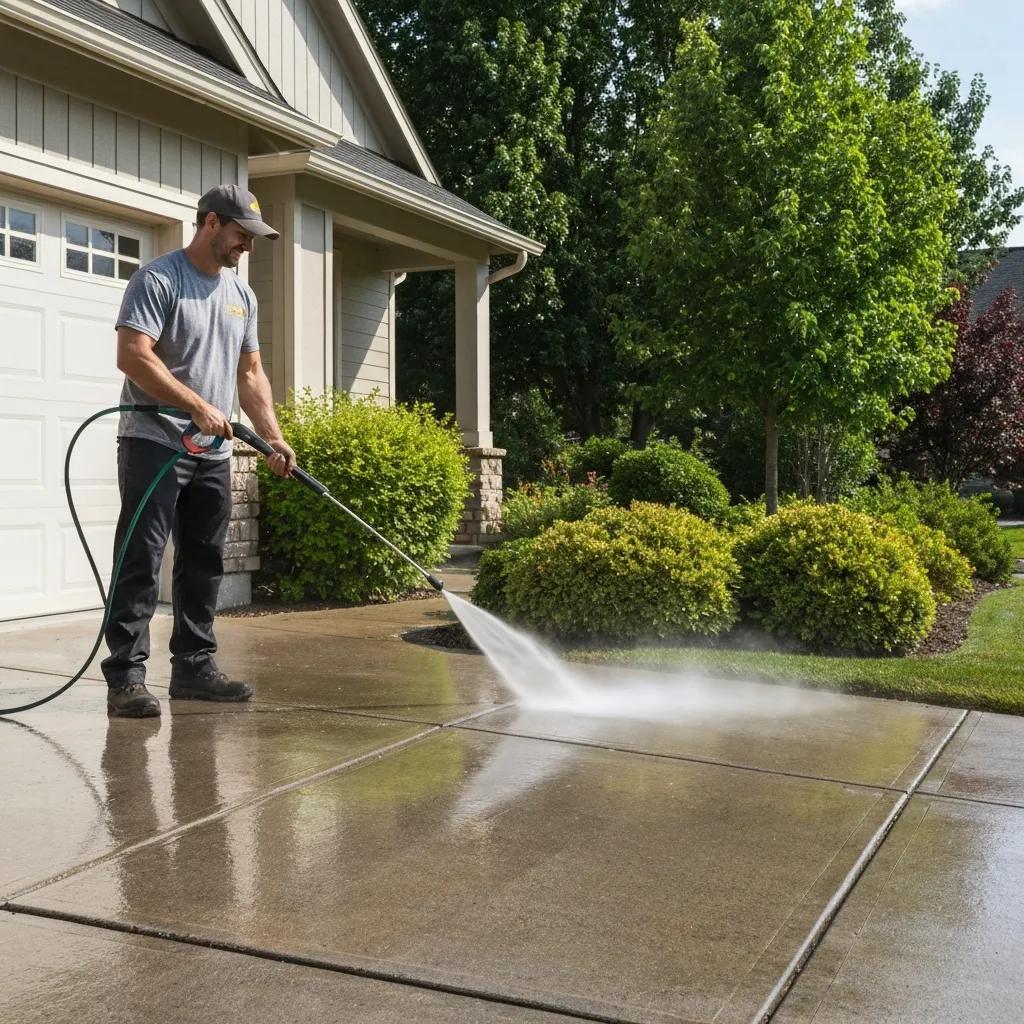
Driveway Power Washing in Hayward — Residential & Commercial Cleaning by Maid4You
A professional driveway power wash in Hayward quickly restores curb appeal, removes stubborn stains, and helps protect paving from long-term wear using the right cleaners and commercial-grade equipment. This guide explains how professional driveway pressure washing works, why hiring a trained crew beats a DIY attempt, and which surface-specific methods are safest and longest lasting. If you’re searching for “driveway power washing near me Hayward,” you’ll find how concrete, pavers, and asphalt react to different treatments, which factors affect price, and simple steps to keep results looking good after service. We also outline the full job flow — from assessment to final inspection — compare approaches for common stains like oil or algae, and explain how we provide clear, fast estimates tailored to Hayward’s local conditions.
Why Choose Professional Driveway Power Washing in Hayward?
Professional driveway power washing is a targeted exterior cleaning service that combines calibrated pressure, eco-safe detergents, and spot stain treatments to remove contaminants without harming the surface. The process mixes mechanical force from a pressure washer with degreasers and biodegradable cleaners to lift oil, biological growth, and mineral deposits so they rinse away cleanly. The immediate benefits are a safer, more attractive driveway that reduces slip risks, slows surface breakdown, and boosts curb appeal for residents and buyers. Hiring professionals saves you time, lowers the chance of DIY damage, and often extends the life of sealers and paving. Below are the main homeowner advantages and why a local expert is usually the smarter choice.
- Better curb appeal and a stronger first impression that can improve perceived property value.
- Reliable removal of tough stains—oil, algae, rust, and tire marks—using targeted cleaners and controlled pressure.
- Improved safety and longer surface life by removing contaminants that cause slips and deterioration.
These benefits set expectations for how specific stains are handled and the visual and structural improvements you can expect after a professional service.
How Driveway Power Washing Improves Curb Appeal and Property Value
Power washing restores a driveway close to its original appearance, which lifts the overall look of your home. Removing dark streaks, embedded dirt, and moss makes the whole exterior appear better cared for — landscaping and paint look brighter next to a clean driveway. For sellers and landlords, a professional clean offers a cost-effective boost before showings or seasonal maintenance. Knowing how visual upgrades affect marketability helps you prioritize cleaning at the right time.
What Stains and Problems Can Power Washing Remove?
Driveway power washing tackles oil and grease, algae and mold, rust stains, tire marks, and general dirt buildup. Oil usually needs a degreaser and agitation before rinsing; biological growths respond to biodegradable cleaners and thorough rinsing to remove spores; rust and mineral deposits may require chelating agents used carefully to avoid discoloration. Tire marks often need localized hot-water or higher-pressure work plus solvents. Results depend on how old and deep the stain is — fresh spills are easier to remove than long-set residues — so realistic expectations and targeted treatments are important.
If you’re concerned about plants or runoff, the next section describes a professional workflow that balances cleaning power with eco-friendly practices.
Our Driveway Power Washing Process in Hayward
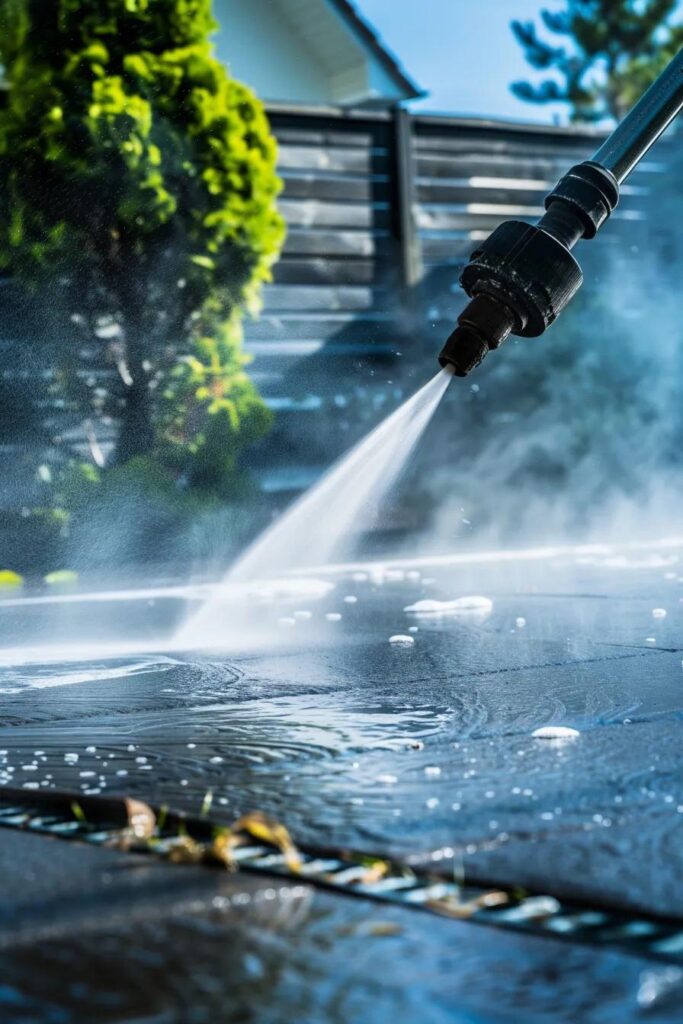
We follow a step-by-step process — assessment, pretreatment, controlled pressure application, and a final inspection — to deliver consistent results while protecting nearby landscaping and structures. That approach pairs a surface evaluation with biodegradable cleaners, calibrated pressure settings, and a full rinse so contaminants are removed without damaging the driveway. It reduces the risk of over-pressurizing delicate areas and gives us before-and-after documentation for quality assurance. Here’s the practical workflow our technicians use to restore driveways safely and effectively.
The typical professional process follows these core steps:
- Assess and prepare: Inspect the surface, note damage and surrounding landscaping, and protect plants and vehicles before work begins.
- Pretreat stains: Apply targeted degreasers or eco-friendly detergents to break down oil and biological growth.
- Pressure wash with control: Use the right PSI, nozzle, and temperature; agitate and repeat in stubborn areas.
- Rinse and inspect: Rinse thoroughly, check for remaining spots, and finish touch-ups before the client walkthrough.
These steps reflect best practices designed to protect surfaces while maximizing cleaning effectiveness. The table below summarizes each phase for quick reference.
| Process Step | Action Taken | Outcome / Benefit |
|---|---|---|
| Initial assessment | Identify surface type, stains, fragile areas, and protect surroundings | Ensures the right equipment and lowers the chance of damage |
| Pretreatment | Apply biodegradable degreasers and dwell-time cleaners | Loosens oils and organic growth for easier removal |
| Controlled pressure washing | Use calibrated PSI and proper nozzles; focus on stain areas | Removes contaminants without etching or eroding the surface |
| Final rinse & inspection | Thorough rinse, spot treatment, customer walkthrough | Confirms results and documents completion for satisfaction |
This outline shows how each phase supports a safe, effective clean and why following a method matters for long-term driveway health.
How We Do the Initial Assessment and Surface Prep
We start with a visual and hands-on check to identify the surface type, existing damage, stain kinds, and any slope or access issues that affect equipment setup. Technicians look for loose pavers, cracked concrete, or areas where high pressure could cause harm, and note nearby plants and drainage so we can protect them and manage runoff. Prep includes covering sensitive vegetation, moving vehicles if requested, and isolating sections that need a gentler approach to avoid overspray or chemical harm. Careful prep minimizes collateral effects and sets up the targeted treatments that follow.
Which Eco-Friendly Cleaners Do We Use?
We use biodegradable detergents, plant-safe degreasers, and oxygen-based cleaners chosen for the stain chemistry and surface compatibility. These products break down oils and organic matter while minimizing harmful runoff to soil and plants next to the driveway. We avoid harsh acids or aggressive solvents that can damage asphalt binders or paver joints. Choosing eco-safe options helps protect the local environment while still delivering professional-grade cleaning.
How We Match Pressure and Stain Treatments
High-pressure work is dialed in by surface: higher PSI for durable concrete, lower pressure or soft-wash methods for pavers. Stain treatments — degreasers for oil, chelators for rust — are applied with appropriate dwell time and mechanical agitation when needed, then rinsed. We always test a small area first to confirm effectiveness without etching or joint erosion. Safety practices include maintaining proper nozzle distance, using PPE, and containing runoff when required.
What Happens During the Final Rinse and Quality Check?
The final rinse clears away cleaner residue and mobilized soils so the surface looks and performs as expected. Our quality check includes a walk-through with photos or a client walkthrough to note any missed spots and perform touch-ups. We confirm landscaping and adjacent hardscapes are intact and offer maintenance tips or sealing recommendations. This close-out ensures you’re satisfied and know the next steps, if any.
Which Driveway Surfaces Do We Service in Hayward?
Concrete, pavers, and asphalt each need a tailored approach to clean well and stay intact. Concrete tolerates higher pressures and benefits from strong degreasers; pavers need joint protection and lower pressure to avoid sand loss; asphalt requires gentler cleaners to avoid stripping binders. Using surface-specific methods maximizes stain removal while minimizing the need for repairs. The table below compares typical problems and recommended methods for each surface.
| Surface Type | Common Problems | Recommended Method |
|---|---|---|
| Concrete | Oil stains, tire marks, dirt buildup | Pretreat with degreaser, high-pressure rinse using the correct nozzle |
| Pavers | Joint sand loss, algae, faded color | Low-pressure wash, targeted cleaning, reapply joint sand if needed |
| Asphalt | Oil stains, binder weakening | Use lower PSI, asphalt-safe degreasers, avoid aggressive hot blasting |
How We Clean Concrete Driveways
Concrete handles higher pressure, so we use calibrated PSI and the right nozzles (for example, turbo or 25-degree for certain tasks) plus industrial-grade degreasers for oil. Pretreatment usually includes a degreaser and agitation with a stiff brush or scrubber before a higher-pressure rinse to pull embedded hydrocarbons out. After cleaning we let the surface dry, inspect it, and recommend a concrete sealer if it will help preserve the results and reduce future staining. Controlled pressure keeps etching and uneven finishes from happening.
Best Practices for Paver Driveway Cleaning
Paver work focuses on protecting joints and color: we use lower pressure settings and wide-angle nozzles to lift dirt without removing polymeric sand. Reapplying joint sand after cleaning is common to stabilize pavers and prevent weeds. Color-enhancing sealers can restore vibrancy while locking joints. Restoration may include replacing settled sand and gently scrubbing stubborn spots to avoid loosening or chipping pavers. These steps keep your pattern intact and delay bigger repairs.
How We Clean Asphalt Driveways Safely
Asphalt needs gentler care to avoid stripping the oils that bind aggregate. We select asphalt-safe degreasers and use moderate flow with controlled nozzle distance to lift stains. Very high pressure is avoided because it roughens the surface and accelerates binder loss; instead we rely on careful pretreatment and several light passes. After cleaning, a sealer is often recommended to protect the surface and slow stain recurrence.
Driveway Power Washing Cost in Hayward & Getting a Quote
Cost depends on clear factors: square footage, stain complexity, surface type, access, and any pretreatments required. Larger or heavily stained jobs need more time, materials, and specialized chemicals; smaller, accessible driveways cost less. Local market rates vary, but a transparent quote outlines the line items so you can compare offers. The table below shows the main cost drivers and how they usually affect an estimate.
| Cost Factor | What It Includes | Typical Impact on Price |
|---|---|---|
| Driveway size | Square footage and layout complexity | Major driver — larger areas increase labor and time |
| Condition & stains | Severity of oil, algae, or rust | Higher severity needs more pretreatment and extra passes |
| Surface type & access | Material, slope, obstacles | Tight access or delicate surfaces raise time and care needs |
| Additional services | Joint sand, sealing, small repairs | Adds cost but improves longevity and appearance |
What Affects the Price of Driveway Power Washing?
Square footage sets the baseline time; stain severity affects chemicals and labor; surface type dictates equipment and technique; and access or slope can add safety setup and time. Other items — distance to water supply, permits for large commercial sites, or runoff containment — can change estimates. Clear details when you request a quote reduce surprises and help technicians give accurate bids. Knowing these factors lets you choose services that deliver the best value.
How to Request a Fast, Free Quote from Maid4You
To get a quick, accurate driveway cleaning quote from Maid4You, share basic info: measurements or approximate length/width, surface type (concrete, pavers, asphalt), photos of stains or trouble spots, and notes about access or nearby landscaping. We prioritize clear communication and cash-free payment options, and our team responds promptly with transparent pricing and scheduling. Typical steps for a fast estimate are below.
- Send driveway measurements and photos that show stains and access.
- Tell us the surface type and flag any concerns like plant protection or slope.
- Receive a prompt estimate and scheduling options, with clear payment choices.
Providing photos and measurements speeds the process and ensures the estimate matches the actual job. Our focus on clear communication and satisfaction helps you move from estimate to scheduled service confidently.
How to Maintain Your Driveway After Professional Washing
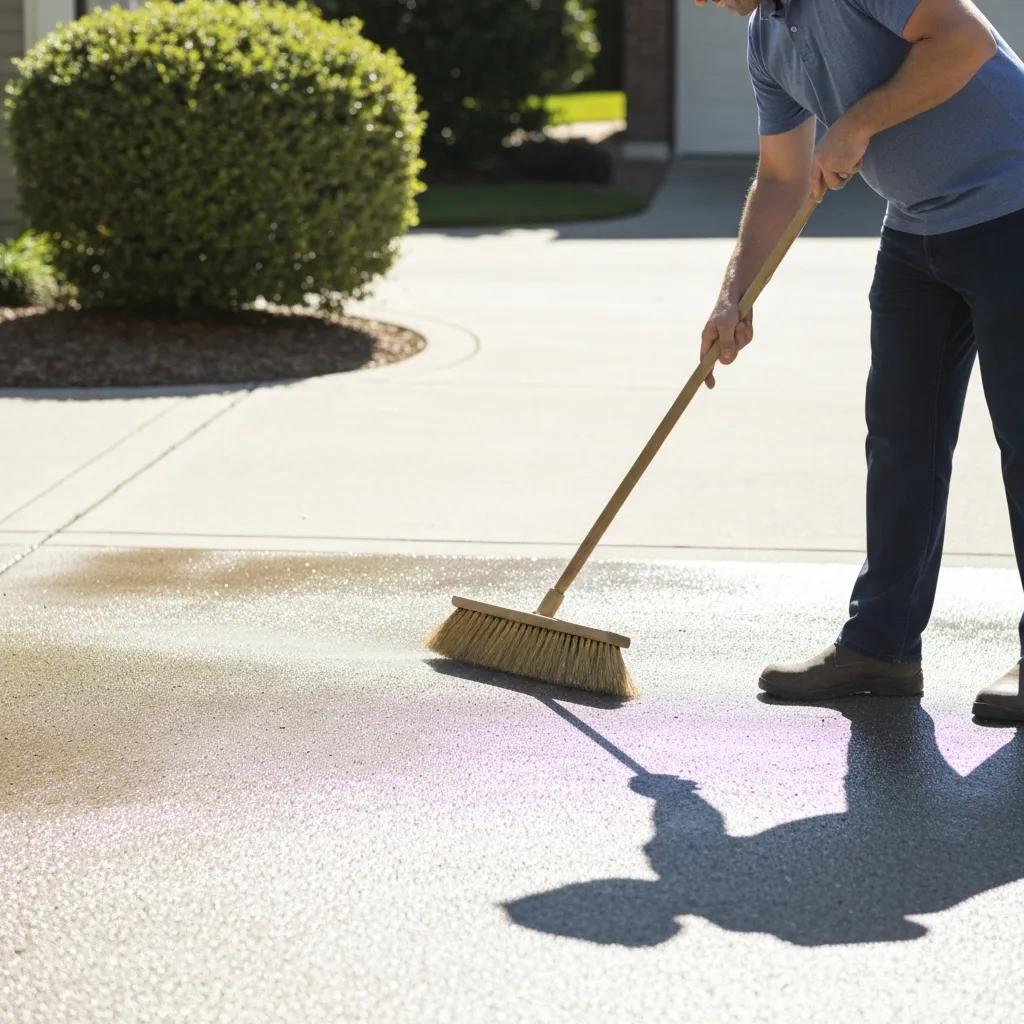
Keeping a driveway looking its best after a professional wash is simple and extends how long the results last. Routine actions — sweeping, spot-treating oil drips, and controlling nearby vegetation — limit the buildup that leads to tough stains and biological growth. These small, regular steps protect sealants, improve drainage, and slow the return of moss or algae in shaded Hayward spots. Below are easy maintenance tips and a recommended cleaning cadence based on exposure and use.
- Sweep or use a leaf blower weekly to remove debris that traps moisture.
- Deal with fresh oil drips quickly using an absorbent and a mild degreaser.
- Trim overhanging branches and improve drainage to reduce shade and dampness that encourage algae.
Doing these simple tasks reduces the need for aggressive cleaning and helps preserve both appearance and safety.
Tips to Prevent Mold, Algae, and Stains
Preventing mold, algae, and stains starts with reducing moisture and organic debris: prune overhanging vegetation, keep gutters from dumping onto the driveway, and check grading for proper runoff. For recurring oil drips, apply an absorbent then treat with a biodegradable spot cleaner before it sets. During the wet season, a light application of an oxygen-based cleaner can help suppress biological growth without harming plants. Small, consistent actions prevent larger cleaning jobs and protect the surface finish.
How Often Should You Schedule Power Washing?
Frequency depends on use and exposure. For light-traffic residential driveways, we typically recommend every 12–24 months. High-traffic areas, properties with oil-leaking vehicles, or shaded spots that promote algae may need cleaning more often. Commercial driveways or heavy-use areas may benefit from quarterly or semiannual service. Watch for dark streaks, slippery patches, or persistent stains as signs to schedule sooner. A seasonal schedule — spring and fall — keeps upkeep predictable and cost-effective.
Why Maid4You Is a Trusted Choice in Hayward
Maid4You, Inc. is a local Hayward cleaning company that emphasizes eco-friendly products, trained crews, and safety-first practices to deliver dependable driveway cleaning. We combine experienced technicians who follow documented procedures with clear communication workflows for fast estimates and cash-free payments. For homeowners who want effective cleaning with environmental care, these commitments lower friction and deliver consistent results. Below are the trust signals and operational commitments behind our driveway service.
- Eco-friendly products chosen to minimize plant and runoff impact while still removing common stains.
- Experienced, trained teams who use safe equipment settings and protect landscaping.
- Satisfaction guarantee, streamlined communication, and convenient cash-free payment options.
Eco-Friendly and Safety-First Practices We Follow
We use biodegradable detergents and plant-safe degreasers selected for stain performance and lower environmental impact. Our crews protect landscaping and contain runoff before pressure application. Safety protocols include checking surface conditions, selecting proper PSI and nozzles, and placing barriers around fragile fixtures or vehicles. By pairing eco-conscious chemistry with careful mechanical control, we reduce harm to nearby plants and avoid unnecessary surface wear. These practices reflect our commitment to performance and neighborhood stewardship in Hayward.
How We Ensure Customer Satisfaction and Clear Communication
We focus on prompt, transparent quoting and scheduling to make the service experience straightforward. Our typical workflow: an initial estimate from photos or measurements, confirmation of scope and special instructions, on-site execution per the plan, and a final walkthrough or documentation to confirm results. This structure reduces misunderstandings, speeds response times, and helps ensure your expectations are met.
Frequently Asked Questions
How should I prepare my driveway for a power wash?
Before we arrive, remove vehicles, outdoor furniture, and obstacles that block access. Clear debris and leaves, and consider covering delicate plants to shield against overspray. Let us know about specific stains or areas of concern so we can tailor the approach.
How can I tell if my driveway needs power washing?
Look for oil, rust, or algae stains, a generally dull appearance, dark streaks, or slippery patches. When dirt is embedded or the surface looks neglected, a professional cleaning can restore appearance and help prevent further damage. Regular inspections help you pick the right schedule.
What are the benefits of regular driveway maintenance after washing?
Simple maintenance — sweeping, prompt oil spot treatment, and vegetation control — preserves cleanliness and material integrity. It extends the life of sealants and pavements, reduces how often you need professional services, and saves money over time.
Can power washing damage my driveway?
When done correctly, power washing is safe for most driveways. Improper pressure or technique can harm delicate materials like pavers or asphalt. Professionals assess the surface and adjust pressure, nozzles, and methods to avoid etching or gouging.
How long do power washing results last?
Results typically last 12–24 months depending on surface, traffic, environmental conditions, and maintenance. Heavy use, oil leaks, or shaded areas may need more frequent cleaning. Regular upkeep extends the time between professional services.
What should I look for when choosing a power washing company?
Check experience, customer reviews, and eco-friendly practices. Choose providers who use biodegradable cleaners, have trained technicians who know different surfaces, and offer transparent pricing and clear quoting. A satisfaction guarantee and follow-up service are also important.
Can power washing remove stubborn oil stains and tire marks?
Yes — professional power washing with targeted degreasers and mechanical agitation can often remove or significantly reduce oil stains and tire marks. Fresh spills respond best; very old, deeply embedded hydrocarbons may need multiple treatments or additional surface work to approach the original appearance. We set realistic expectations and may recommend sealing after cleaning to help prevent recurrence.
Is pressure washing safe for all driveway surfaces?
Pressure washing is safe when the technique matches the material: concrete tolerates higher pressure, pavers need gentler methods to protect joints, and asphalt requires moderated PSI and asphalt-safe cleaners. A professional assessment identifies delicate areas and selects the right nozzle, distance, and cleaning method rather than using a one-size-fits-all approach.
How long does a typical driveway power washing job take?
Most residential driveways take about one to three hours depending on size, stain severity, and prep needs. Jobs that include joint sand replacement or sealing take longer. We provide a time estimate based on observed conditions and update you if the scope changes.
Do professionals use eco-friendly cleaning products?
Yes. Many providers — including us — use biodegradable, plant-safe cleaners and targeted degreasers to limit environmental impact while maintaining performance. Eco options work well for most stains, though deeply embedded residues may need additional treatments; the environmental benefit usually outweighs small trade-offs in dwell time or repeated applications.
Conclusion
Choosing professional driveway power washing in Hayward improves your home’s appearance and helps protect driveway surfaces. With eco-friendly products and experienced techniques, you can remove stubborn stains while minimizing environmental impact. Regular maintenance and timely cleaning reduce long-term costs and improve safety. Contact Maid4You today to schedule your driveway service and see the difference a professional clean makes.